Beyond Compliance: Building a True Safety Culture with Brian Fielkow
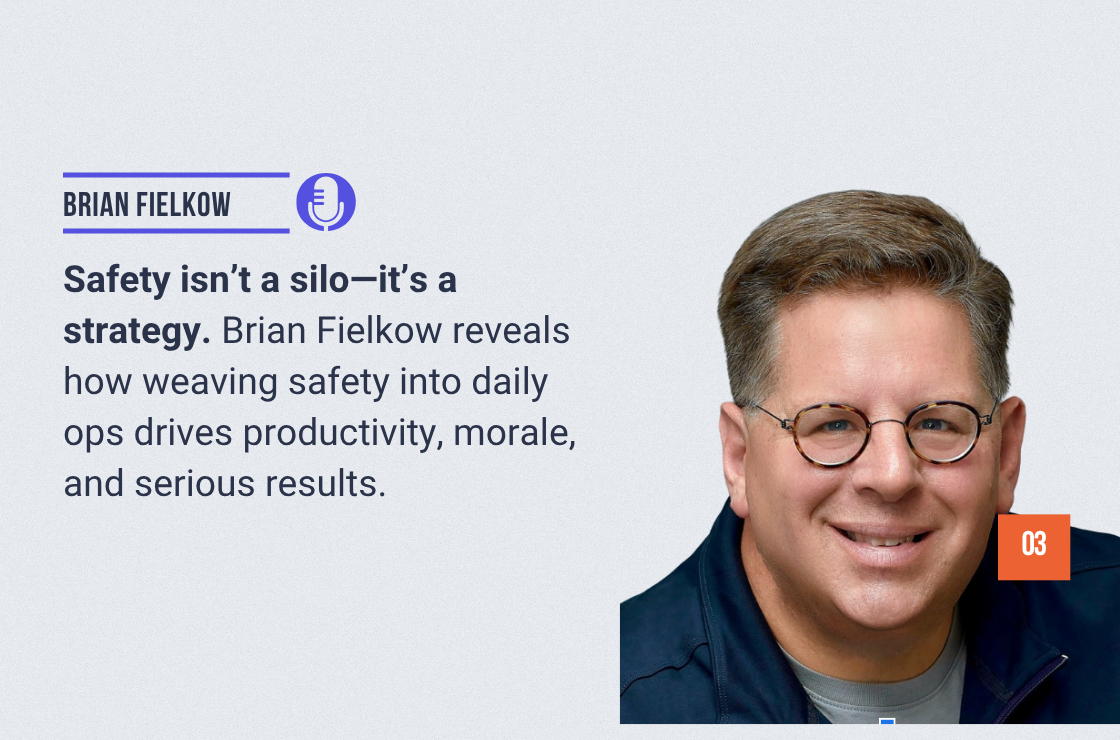
“Safety isn’t a department, it’s the foundation of operational excellence.” These powerful words from Brian Fielkow, Executive Vice President of Risk Resources at Acrisure, resonated deeply in the latest episode of Roadrageous. We dove into the heart of fleet safety, exploring how to shift from mere compliance to a deeply ingrained culture of care.
Brian’s journey, spanning corporate law, waste management, and his own logistics company, Jetco Delivery, provides a unique perspective. He’s seen safety from all angles and understands the real-world challenges companies face.
The Myth of Safety vs. Productivity
One of the biggest takeaways was Brian’s firm stance against the notion that safety and productivity are at odds. “It’s not safe or productive,” he emphasized, “it’s got to be safe and productive.” This mindset shift is crucial. Companies must move beyond viewing safety as an expense and recognize it as a strategic investment that ultimately enhances efficiency.
Beyond the Bottom Line: The True Cost of a Crash
We often focus on the direct costs of a crash – insurance payouts, repairs, etc. But Brian highlighted the hidden costs: reputational damage, customer dissatisfaction, and the devastating impact on employee morale. A single incident can ripple through an organization, affecting its bottom line and its people.
Hiring for Values, Not Just Skills
Addressing the persistent driver shortage, Brian stressed the importance of hiring value-aligned employees. “There really is no driver shortage if you just want to fill vehicles,” he stated. “The challenge is in hiring the best of the best.” This means prioritizing safety as a core value and attracting drivers who share that commitment.
Technology as a Tool for Coaching, Not Punishment
The conversation naturally turned to technology, particularly two-way cameras. Brian believes the debate over whether to install them should be over. However, he cautioned against using data punitively. Instead, it should be used for coaching and improvement. “Is it an honest mistake or deliberate behavior?” he asked, emphasizing the need for a nuanced approach.
Winning Over the C-Suite: Speak Their Language
Getting buy-in from senior management is often a hurdle. Brian offered practical advice: speak their language. For CFOs, present the ROI with hard numbers. For CEOs, address concerns about driver turnover with strategies like beta testing.
The Insurance Partnership: A Collaborative Approach
Brian stressed the importance of a collaborative relationship with insurance partners. Agents can provide valuable resources and insights, helping companies proactively improve their safety programs.
From Accidents to Preventable Incidents
We also discussed the shift from using the term “accident” to “crash,” emphasizing the concept of preventability. Brian challenged us to conduct disciplined root cause reviews of all incidents, regardless of severity, and to distinguish between luck and skill.
Marketing Safety: Make it Engaging and Fun
Brian emphasized the power of internal marketing to promote safety. He encouraged companies to use creativity, branding, and even a touch of humor to engage employees and make safety a part of the company’s identity.
Key Takeaways:
- Safety is a core value, not just a department.
- Productivity and safety are mutually beneficial.
- Technology should be used for coaching and improvement.
- Communicate safety initiatives effectively.
- Root cause analysis is vital for prevention.
- Make safety engaging and fun.
Brian Fielkow’s insights offer a roadmap for building a truly effective safety culture. It’s about moving beyond compliance, fostering a sense of ownership, and creating a workplace where everyone feels valued and safe.
Conclusion
Brian Fielkow on Roadrageous argues that safety is not a department, but a core operational value. He emphasizes that a strong safety culture, driven by leadership and integrated into daily operations, enhances productivity, reduces costs, and attracts talent. He debunks myths about safety hindering efficiency and advocates for technology to be used for driver improvement, not punishment.
 Learner Login