Introduction: Why SOPs Aren’t Enough Anymore
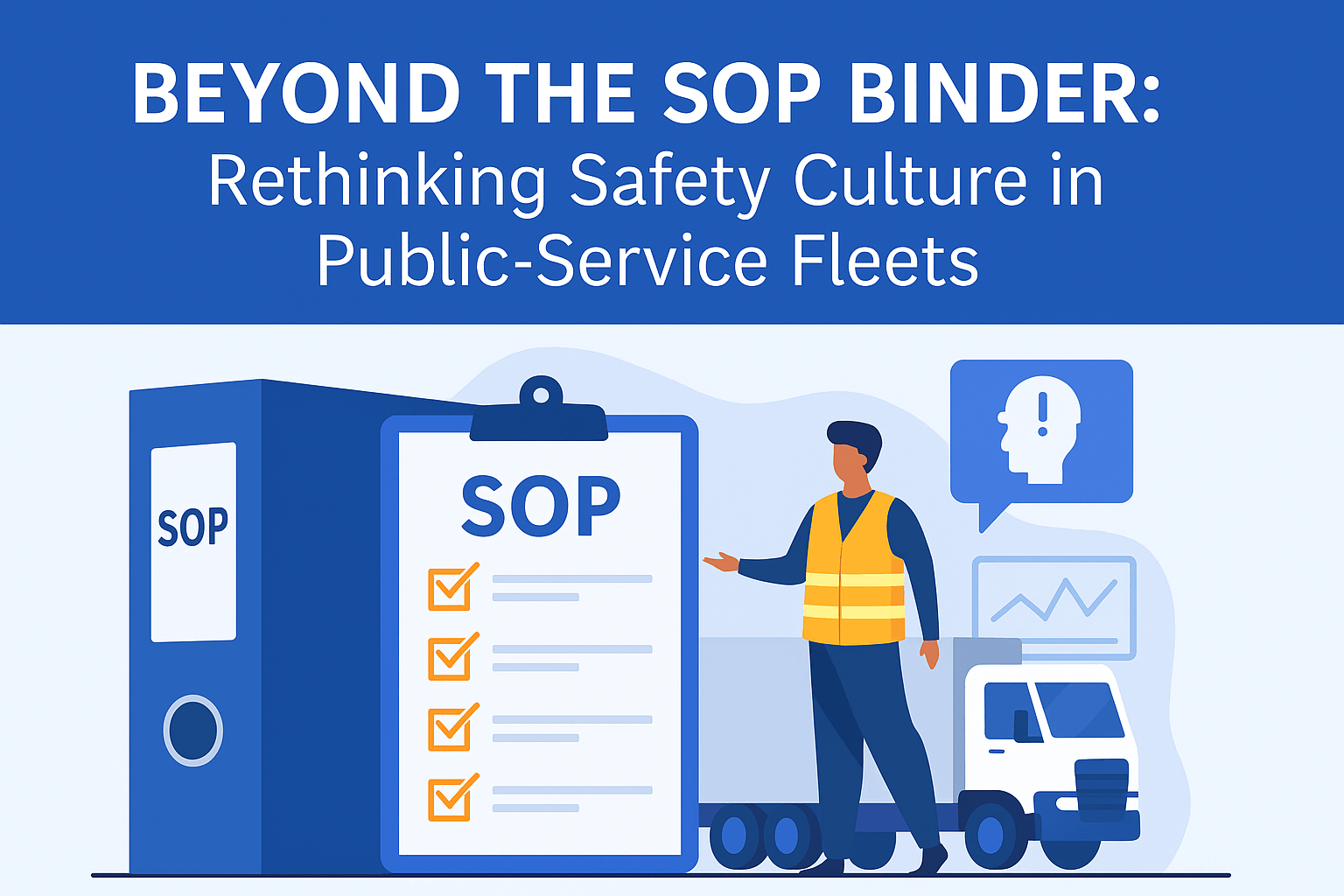
For government-operated fleets—such as those in public works, transportation, sanitation, and emergency services—standard operating procedures (SOPs) are the cornerstone of their operations. From checklists and maintenance logs to training records and incident protocols, SOPs provide a vital foundation for compliance and accountability.
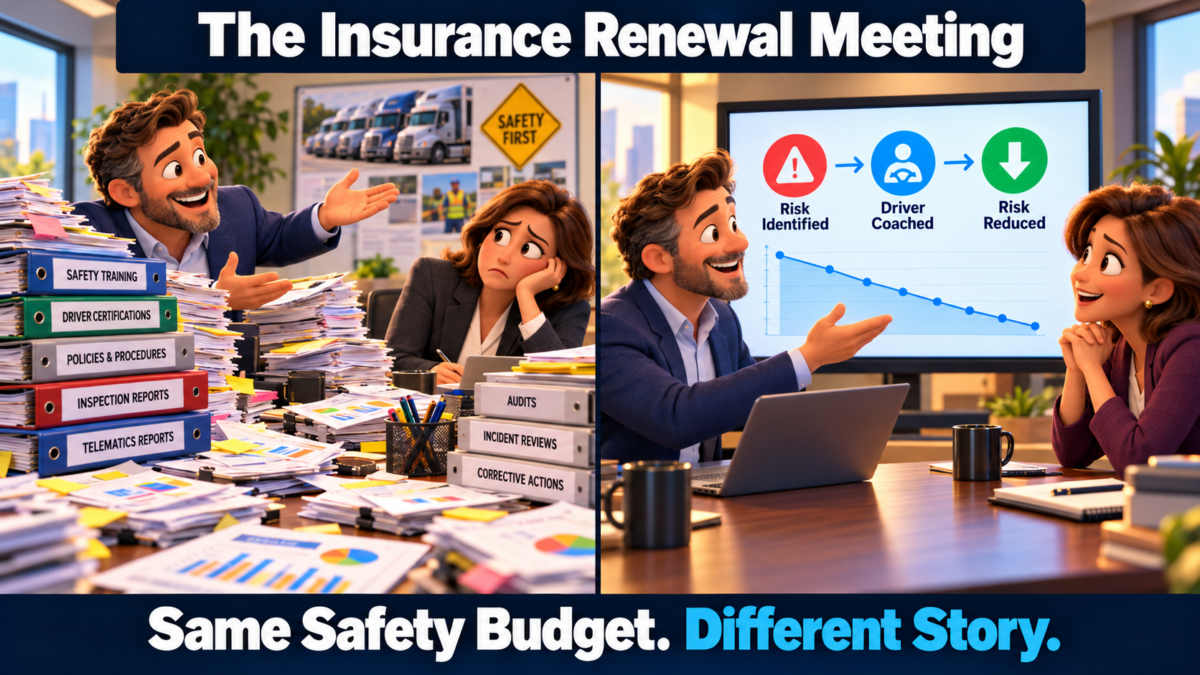
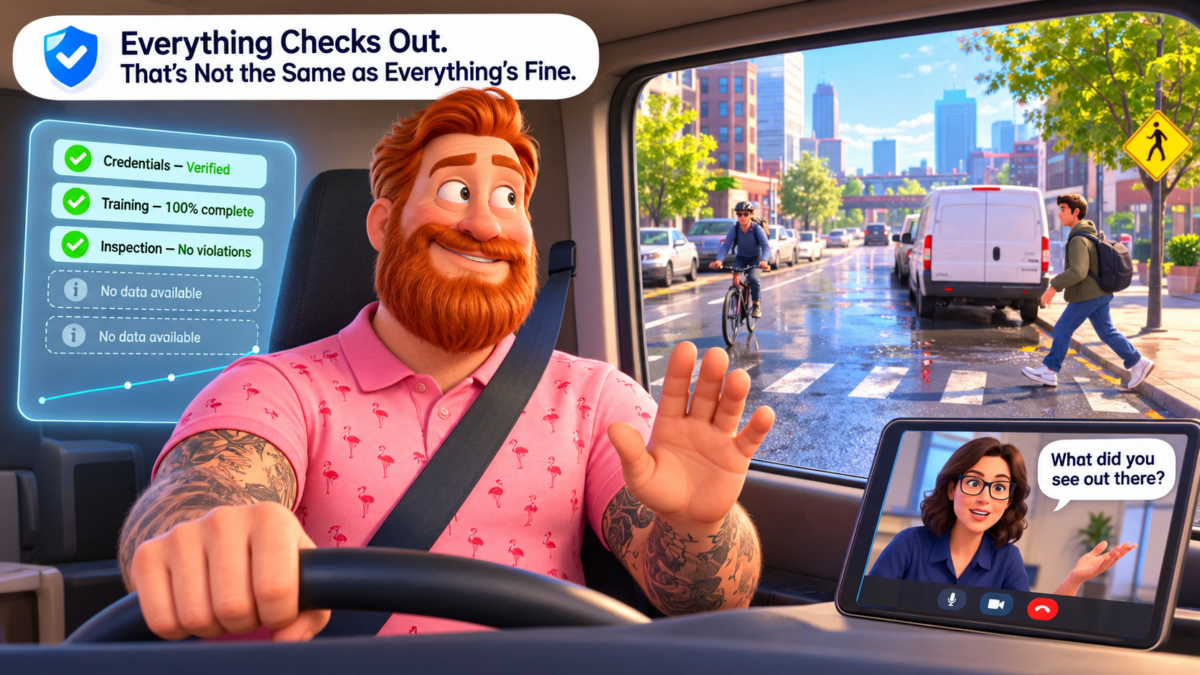
But when it comes to building a real culture of safety, binders and paper trails fall short.
Safety isn’t a checklist—it’s a mindset. In today’s complex, fast-moving public sector, SOPs alone can’t adapt to the changing behaviors, risks, and human factors that influence safety outcomes.
This post examines how public-service fleets can transition from compliance-driven training to a more proactive, behavior-based safety culture—without compromising regulatory alignment.
The Problem: Procedural Compliance ≠ Safety Engagement
Most public-sector fleet managers are under intense pressure to meet federal, state, and local requirements. Agencies like the Federal Motor Carrier Safety Administration (FMCSA) and Occupational Safety and Health Administration (OSHA) establish essential minimums for fleet safety and training programs.
But there’s a key issue: compliance is not culture.
A driver might sign off on their daily vehicle inspection form—but still drive fatigued. An employee may attend annual training—but never internalize safe driving practices. A maintenance technician might follow a checklist—but miss a key risk due to time pressure or unclear communication.
These gaps often arise when fleets rely too heavily on documentation and not enough on driver engagement, communication, and accountability.
Why Safety Culture Matters More Than Ever
In high-visibility, high-accountability environments—such as municipal fleets and utility crews—every incident poses both reputational and operational risks. This increased attention is a day-to-day reality for government agencies that serve the public directly.
A robust safety culture does more than avoid fines or pass audits; it also fosters a culture of accountability and transparency. It creates:
- Lower incident rates through proactive awareness
- Improved morale among drivers and crews
- Faster onboarding and better retention in competitive hiring environments
- Greater public trust in government operations
To get there, public fleets must treat SOPs as the starting point, not the finish line.
3 Core Elements Missing From SOP-Driven Systems
- Behavior-Based Training
Traditional SOPs outline what to do—but rarely address how drivers behave under stress, fatigue, distraction, or pressure.
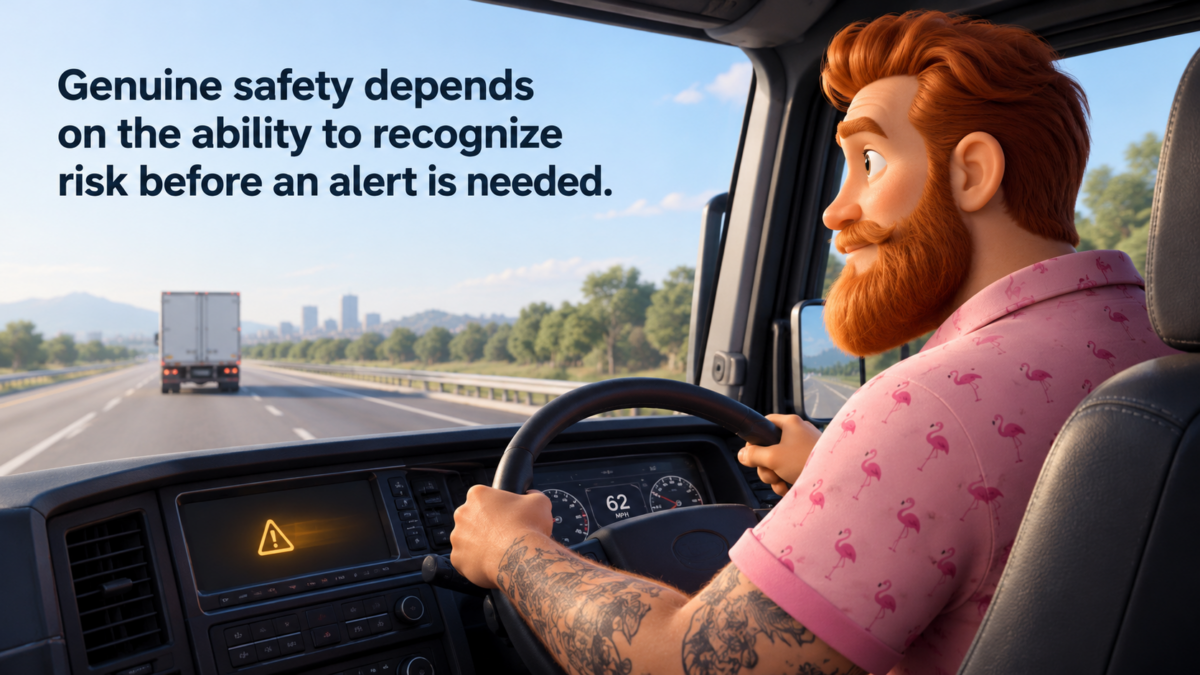
Behavior-based safety (BBS) approaches fill this gap by identifying, tracking, and coaching on behaviors that lead to risk—before incidents occur. It allows fleets to reinforce positive habits (like proper braking or calm decision-making) and address unsafe tendencies early.
Example: A sanitation fleet using real-time driver coaching may notice a pattern of harsh braking in residential zones. Rather than wait for an incident, supervisors can intervene with tailored training and support.
- Two-Way Communication Channels
SOPs are often written top-down, with little opportunity for feedback or discussion. A lack of communication can create a culture where drivers feel like they’re “being managed” rather than collaborating on safety.
Modern fleet safety cultures encourage:
- Open conversations about risks
- Anonymous or structured reporting of near-misses
- Feedback loops where drivers can improve SOPs based on real-world conditions
This shift empowers frontline workers to become part of the solution, not passive recipients of rules.
Example: A city transit agency implemented a monthly “safety stand-down” meeting where drivers share observations and recommend policy tweaks—creating buy-in and reducing preventable errors.
- Continuous Feedback and Improvement
Annual or quarterly training sessions aren’t enough. Real behavior change happens over time—and only when reinforced consistently.
Progressive fleets are using:
- Microlearning (short, scenario-based refreshers)
- In-cab feedback systems with coaching prompts
- Telematics alerts to address risky behavior in real time
- Peer recognition programs to reward safe habits
These tools turn safety from a once-a-year obligation into a daily practice.
How to Build a Proactive Safety Culture in Public Fleets
Here’s a simple roadmap to evolve beyond the SOP binder:
- Audit Your Training Model
- Are you teaching procedures or building awareness?
- Is your training accessible and engaging for all staff types (field crews, drivers, techs)?
- Are incident trends connected to specific training gaps?
- Invite Driver Feedback
- Add structured time for team input
- Encourage near-miss reporting and track themes
- Provide a channel for anonymous suggestions
- Invest in Behavioral Tools
- Use data from telematics, cameras, and supervisors to identify behavior patterns
- Apply consistent, non-punitive coaching
- Track improvements and celebrate progress
- Reinforce With Microlearning
- Break key SOPs into short, repeatable training units
- Focus on risk behaviors like speeding, aggressive driving, and distraction
- Integrate short quizzes or simulations to boost retention
Closing Thought: Safety Culture Is a Living System
An SOP binder collects dust. A true safety culture evolves with your workforce.
Public service fleets have a unique opportunity to lead by example—not just in compliance but in compassionate leadership, real-time adaptation, and frontline empowerment.
By shifting focus from paperwork to people, you don’t just check boxes—you build a safer, more resilient, and more responsive fleet that reflects the best of what public service should be.
 Learner Login