Picture this: You’ve just invested thousands of dollars and countless hours developing a comprehensive training program for your team. Everyone completes the course. Test scores look great. You’re celebrating success.
Fast forward one week. Your employees have forgotten nearly everything they learned.
Sound familiar? You’re not alone — and more importantly, you’re not doing anything wrong. You’re simply fighting against one of the most powerful forces in human cognition.
The Brutal Truth About How We Forget
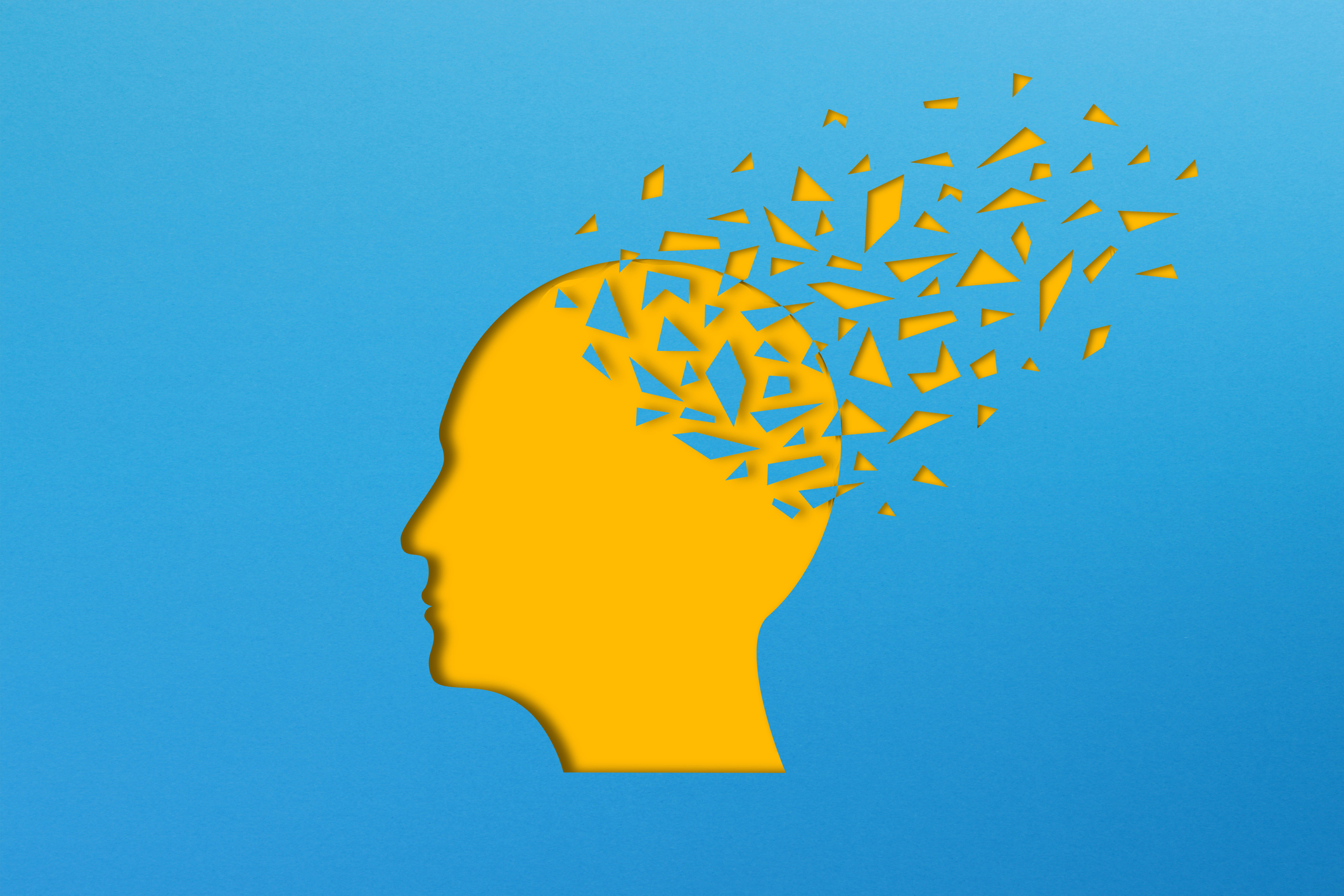
Within sixty minutes of completing a training session, the average person has already lost 50 percent of what they learned. By tomorrow, 70 percent will be gone. Within a week, they’ll retain a mere 10 percent of the information you worked so hard to teach them.
These aren’t outliers. This is standard human brain function.
The culprit? A phenomenon discovered nearly 140 years ago by German psychologist Hermann Ebbinghaus, who mapped what we now call the “forgetting curve.” His research revealed something startling: memory decay isn’t gradual — it’s exponential. The steepest drop happens immediately after learning, more like a cliff edge than a gentle slope.
Think of your brain like a path through dense wilderness. The first time you walk it, you’re pushing through thick brush. But with repetition, the route becomes clear and almost automatic. That’s neuroplasticity in action: your brain rewires itself by strengthening neural pathways through repeated exposure.
Why Your Brain Dumps Information (And When It Doesn’t)
Here’s where it gets interesting: not everything follows the same forgetting curve.
Remember that children’s song you once heard nonstop? You could probably sing it today. That’s “overlearning” — exposure far beyond the point of initial comprehension, creating deep memory traces that resist fading.
Or consider touching a hot stove. You don’t need a refresher course. The emotional intensity and immediate consequences etched that lesson permanently.
This tells us something critical: how information is presented matters as much as what is presented. Emotional engagement, personal relevance, and mental state all influence whether knowledge sticks or slips away.
From Data to Wisdom: Understanding the Learning Journey
Most training programs make a fundamental mistake: they confuse data transfer with behavior change.
The DIKW Pyramid (Data → Information → Knowledge → Wisdom) shows why. At the bottom is raw data — disconnected facts. Add context and you get information. Connect that information in a meaningful system, and you get knowledge.

But knowledge alone doesn’t change behavior.
For true transformation, learners need two more levels: insight (the “aha!” moment) and behavior change (application of new understanding).
Most training stops at knowledge. Employees pass tests proving they “learned” the material, but without insight and behavioral integration, that knowledge evaporates.
The Cognitive Load Challenge
Here’s another problem: your brain’s working memory has highly limited capacity.
Cognitive load theory identifies three types:
Intrinsic load — the inherent complexity of what you’re learning.
Extraneous load — poorly designed materials or distractions that waste mental resources.
Germane load — the mental effort spent making meaningful connections. This is where real learning occurs.
The winning strategy: reduce intrinsic and extraneous load, maximize germane load.
Design Principles That Work With the Brain, Not Against It
Start with the foundation.
Don’t introduce new terminology and immediately use it in complex scenarios. Let learners master basics first.
Break it into bite-sized pieces.
Chunk content into small, related segments with no more than two to three key points.
Engage multiple senses.
Use visuals, audio, interaction, simulations — different modalities reinforce learning.
Tell stories.
Humans remember narrative better than isolated facts. Stories simplify complexity and create emotional hooks.
Gamify strategically.
Points, achievements, and challenges fuel dopamine, boost engagement, and create opportunities for repetition.
Post-Training: Where Real Learning Happens
Here’s the shift: training doesn’t end when the session ends — that’s when retention work begins.
Match reinforcement to your goals.
Use short-answer quizzes for precise recall. Use teach-backs for deeper understanding.
Leverage spaced repetition.
Each reintroduction reduces the steepness of the forgetting curve. Technology can personalize timing for each learner.
Build on established knowledge.
Create chances for learners to apply insights in new contexts through workshops and discussions.
Create safe practice environments.
Simulations, role play, and interactive scenarios reinforce learning far more than passive review.
Deliver at the point of need.
Provide searchable resources, quick guides, and micro-content exactly when learners face real-work challenges.
The Bottom Line for Training Professionals
We can’t eliminate the forgetting curve — it’s built into human neurology. But we can hack it.
Shift from a one-time training event to an ongoing learning journey. Design content that aligns with cognitive limitations and build reinforcement moments over time.
Your training investment doesn’t disappear because content is flawed or learners are unmotivated. It disappears because human memory doesn’t work the way traditional training expects it to.
Work with biology rather than against it, and you’ll finally see training translate into lasting behavior change.
About the Author
Gary Alexander founded IMPROVLearning 25 years ago, pioneering comedy-based behavioral training for driver safety. His approach blends neuroscience, behavioral psychology, and entertainment to create learning experiences that stick.
Source image:
https://en.wikipedia.org/wiki/DIKW_pyramid#/media/File:DIKW_Pyramid.svg
 Learner Login