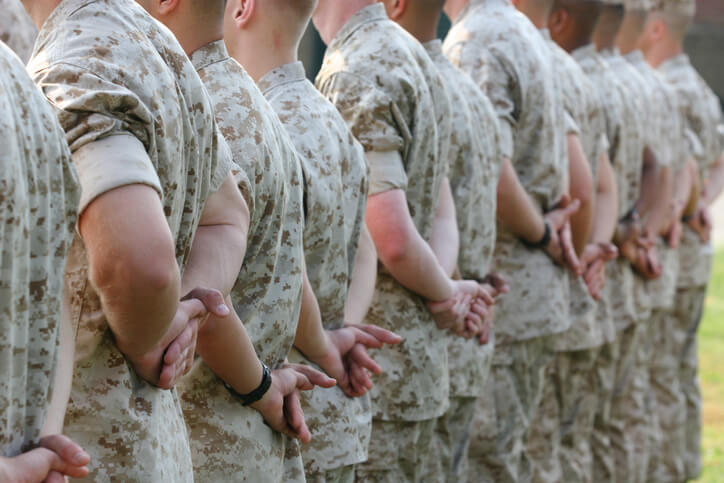
When you think of the U.S. Marine Corps and defensive driving, your mind probably doesn’t jump to “same skillset.” One involves amphibious assault vehicles and battlefield tactics—the other, turn signals and two-lane highways.
But under the hood? These two worlds share more common ground than you’d expect. Both are built on proactive thinking, disciplined execution, and continuous reflection. And both could save your life… or your fuel budget.
Let’s break it down through the lens of SPIDER, a behavior-based defensive driving method that stands for:
Scan – Predict – Identify – Decide – Execute – Reflect.
Situational Awareness: SCAN Like a Marine
Marines train to constantly scan their environment—looking 360 degrees, assessing threats, and staying two steps ahead.
Defensive drivers are no different. Scanning the road 10–15 seconds ahead allows you to react calmly, avoid sudden braking, and drive more efficiently.
💡 Fuel bonus: Smooth braking and acceleration can reduce city fuel consumption by up to 30%.
Tactical Readiness: PREDICT & IDENTIFY the Threat
Marines don’t wait for danger to strike—they anticipate it. They read body language, study terrain, and recognize risk before it escalates.
SPIDER drivers learn to do the same: Is that car weaving? Is a light about to change? Is that pedestrian going to cross?
💡 Fuel bonus: Avoiding aggressive responses helps maintain momentum and saves fuel, especially in stop-and-go traffic—up to 30% savings.
Disciplined Execution: DECIDE & EXECUTE With Precision
Once the plan is clear, Marines move with intention—no wasted effort.
In SPIDER driving, this means smooth, confident execution: gradual acceleration, no slamming the brakes, and no over-corrections. You act with calm, not chaos.
💡 Fuel bonus: Controlled execution avoids fuel spikes. Aggressive driving can significantly cut highway fuel economy.
🔍 After-Action Review: REFLECT Like a Marine
After every mission, Marines conduct a debrief—what went well and what could improve.
Drivers should do the same. Reflecting after a near-miss, a stressful drive, or a pattern you’ve noticed (like hard braking) helps reinforce good habits and correct bad ones.
💡 Fuel bonus: Reflection helps eliminate wasteful habits, such as idling too long, speeding to red lights, or accelerating uphill unnecessarily.
🛡️ The Mission: Protect and Conserve
Whether wearing fatigues or just trying to survive your commute, the core mission is the same: stay alert, stay safe, and act with purpose. The SPIDER method echoes the Marine mindset—because both are about readiness, resilience, and responsibility.
And hey, if you can save a few bucks on gas while driving like a well-trained warrior? That’s a win.
 Learner Login