A trucking company may have a strong federal safety rating, a good delivery record, and a solid relationship with a freight broker. However, when something goes wrong, these credentials might not be enough to determine who managed the risk. This question is central to a major legal case involving freight broker C.H. Robinson.
Overdrive reported on October 25, 2026 that a Dallas County court upheld a $604 million jury verdict after a fatal truck crash in Mississippi in March 2021. With about $107 million in interest, the judgment now totals around $711 million. The case, Lipe v. Lupus Superior, stands out not only for the large damages but also for how responsibility was divided. The jury found the driver 45% at fault, the carrier 32%, and C.H. Robinson 23%. The court also said the broker could be held vicariously liable for the driver’s actions under a borrowed-employee theory. C.H. Robinson disagrees with the judgment and plans to appeal.
This situation raises an important question for the transportation industry: What counts as reasonable safety due diligence when a carrier already meets federal standards? For fleet executives, brokers, and risk managers, the impact goes beyond one company or verdict. It challenges the idea that following regulations and showing good safety performance are always the same.
When a satisfactory rating is used as part of the defense
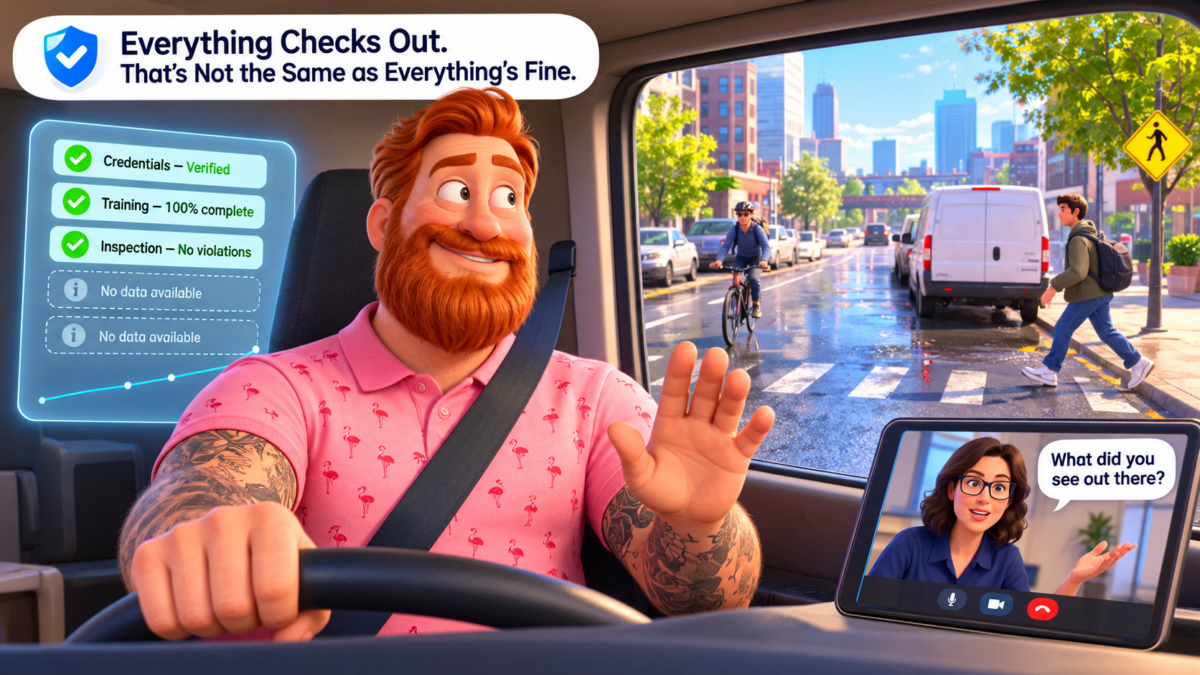
C.H. Robinson noted that the carrier had completed nearly 270 loads for its customers and kept a Satisfactory FMCSA safety rating, even after a federal review of the accident. These facts matter. A satisfactory rating is an official regulatory measure, and a history of completed shipments shows operational experience. Both are important when evaluating a carrier, but neither gives a complete picture of how risk is managed on the road. An FMCSA safety rating is based on the agency’s review process.
It does not track every driver’s choices, new behaviors, or every action taken by fleet management. A carrier can meet regulatory standards but still have room to improve how it identifies and handles risk between formal reviews. The legal landscape has also changed.
In May 2026, the U.S. Supreme Court ruled in Montgomery v. Caribe Transport II that some state-law negligent-hiring claims against freight brokers are not always blocked by federal law. This means those claims can move forward, but it does not mean brokers are always liable for crashes involving the carriers they choose. This distinction matters. Montgomery dealt with negligent-hiring and federal preemption, while the Lipe case also involves vicarious liability based on the broker-driver relationship.
Together, these cases put more focus on carrier selection, operational control, and the evidence companies can provide about their safety decisions. C.H. Robinson has said the industry needs clearer national standards for deciding if a carrier is safe. That’s worth considering, especially since companies face different legal rules in different places. But even with a clearer national standard, one question remains: How does a company know if its safety practices are actually working?
The difference between having records and showing results is important
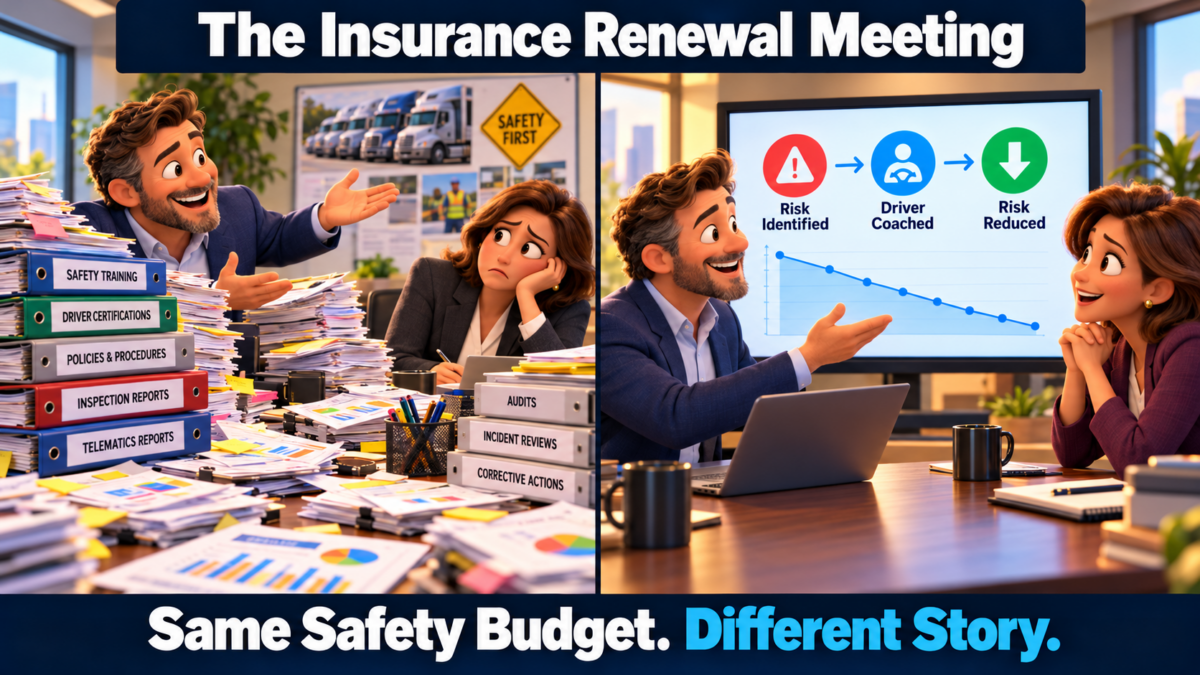
Consider two carriers with similar FMCSA ratings, fleets, and established safety policies. Both train drivers, review violations, and keep compliance records. On paper, their safety programs look equally strong. The difference appears when someone asks what happens after a risky driving pattern is found.
The first carrier can show that drivers completed required training and supervisors reviewed safety reports. The second goes further. Its records show when unsafe following distances appeared, how the driver was coached, whether the behavior improved, and what management did if the first intervention didn’t work. Both have documentation, but the second has a clearer record of how safety information led to decisions and action. This matters because safety performance changes over time.
Driver behavior shifts, conditions change, and risks can appear long after a carrier gets its rating. Telematics and monitoring can help spot these changes, but collecting more data does not automatically make a fleet safer. The real benefit comes from using that information for driver education, coaching, and management decisions. For example, a series of harsh-braking events might mean poor following distance, but it could also be due to traffic, route conditions, or ongoing pressures.
A good coaching process looks at the situation before deciding what to change. That is where technology, human judgment, and education work together. Drivers need opportunities to understand the risks behind their choices, practice better responses, and use what they learn in similar situations. Managers need enough context to tell the difference between one-off events and patterns. The resulting records can show that the company did more than just spot a problem. They can show how it responded and if the response led to real improvement. This evidence can support better safety management and more informed discussions with insurers, brokers, and others. It does not guarantee protection from lawsuits, but it gives a fuller picture of the company’s efforts to manage risk.
Safety accountability now goes beyond the carrier
The C.H. Robinson case also highlights a bigger issue: safety responsibilities do not always fit neatly into contracts. A broker picks a carrier, a carrier hires drivers, and drivers make choices on the road. Each has different duties, but the effects of a serious crash can reach across these roles. For brokers, this means looking closely at how they check carrier safety before and during a business relationship. Having the right authority, insurance, and regulatory record is still important, but these may not answer every question about a carrier’s current safety practices.
For carriers, the challenge is to make safety performance more visible and clear. This means showing how new risks are found, how drivers get training, and how management checks if interventions work. For shippers, it is a reminder to understand the safety standards and selection practices used in their networks. None of these steps removes risk or creates an automatic legal defense. Their goal is to improve decision quality before something happens. Relationships matter here too.
A broker who sets clear safety expectations, a carrier who responds openly, and a manager who sees coaching as a chance to improve rather than punish can help build a better safety system. The aim is not just to collect documents for future investigations, but to create a process where safety information leads to timely action.
The strongest safety record is the one being built now
The $711 million judgment is a striking example of the financial risk tied to serious transportation accidents. The final outcome is still subject to appeal, and the legal principles should not be seen as a universal rule about broker liability. Still, the case gives fleet and transportation leaders a chance to rethink what their safety records really show.
An FMCSA rating sets a regulatory baseline. Training records show employees got instruction. Telematics reports can spot patterns that need attention. But the bigger question is whether these pieces of information tell a clear story about how a company manages risk. Can management explain why an intervention was needed, what the driver learned, and if the behavior changed? Can a broker show how safety concerns affected carrier selection and oversight? Can leaders point out where their safety processes are improving and where more work is needed? These questions should be answered long before a courtroom, insurer, or regulator asks them.
The lesson from this case is not that a satisfactory FMCSA rating no longer matters. It is that a regulatory rating and an actively managed safety program serve different roles. One is a formal check of compliance. The other means companies must keep learning, adapting, and responding as risks come up. And when the results of a failure can reach far beyond the company running the truck, that difference is hard to ignore.
 Learner Login