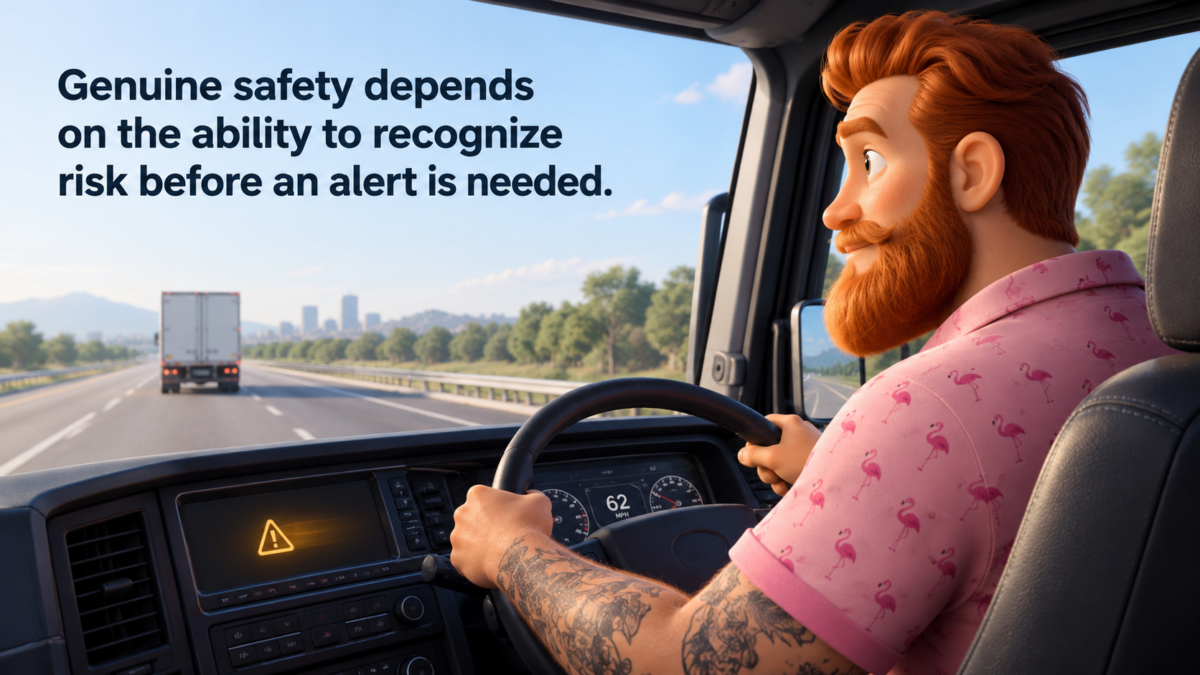
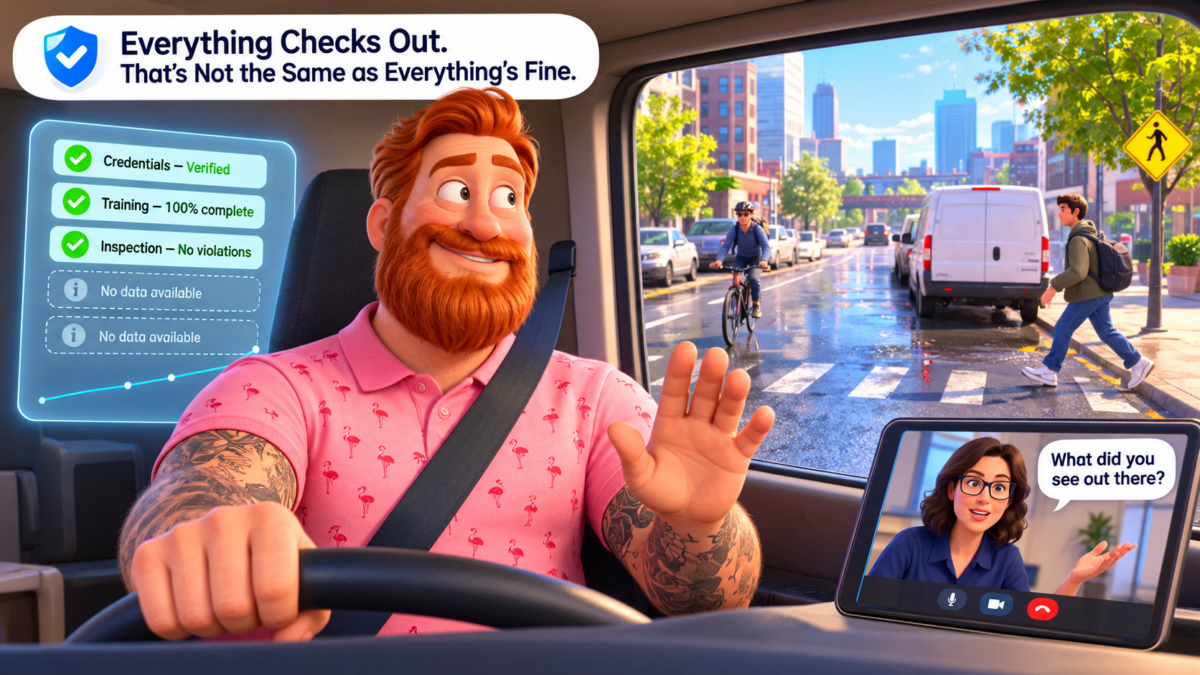
When a warning sounds in the cab, the driver increases their following distance, the alert goes away, and the trip continues. Since no video is created, the fleet manager might never see the event. From a management point of view, this looks like a success. But the system cannot tell if the driver actually noticed the risk or just reacted to the alert. This difference matters as AI moves from simply spotting unsafe driving to stepping in right away.
Technology can prompt quick corrections, but the bigger goal is to help drivers spot and handle risks on their own, without always needing alerts. Isaac Instruments is now rolling out AI-powered in-cab alerts to help drivers fix unsafe actions before they become recorded events.
Announced at the Horizon 2026 user conference, this feature warns drivers about things like speeding, following too closely, and using a cellphone. It gives them a chance to correct themselves before a video is made for managers to review. This is a big change in fleet safety technology and raises questions about how to balance automated help with human judgment.
When the warning becomes the teacher
Traditionally, event-based monitoring gives managers records of incidents to review later and offer feedback. Isaac’s new approach brings intervention closer to the moment when decisions are made. The company says its alerts could cut critical-event videos from about 330 to 60 per 100,000 miles compared to systems without in-cab warnings. This means less footage for managers to review and gives drivers a chance to fix risky behavior right away.
Still, fewer videos do not always mean fewer risky choices. A driver who responds to an alert has fixed their behavior in the moment, but that does not show what they have learned. For example, two drivers might get the same warning, and both increase their following distance. One understands the danger and adjusts, while the other just reacts to the alert and might go back to old habits once the warning is gone. The immediate result is the same, but their future actions could be different.
This shows a limit of these systems: they can record responses but cannot prove if drivers can spot similar risks on their own in new situations. Fleet leaders should keep this in mind when judging success. The point of an alert is not just to clear a warning, but to help prevent risky situations and support drivers in making safer choices over time.
The road will not always provide a warning
Driving always requires good judgment. Traffic, visibility, and road conditions can change quickly, sometimes before monitoring systems notice. Alerts can point out risky behavior, but drivers still need to think ahead. They must know when following distance is too short, when speed is unsafe for the conditions, and when a situation calls for a different response. This skill cannot depend only on technology. As monitoring systems get better, it is important to see how they help drivers grow.
If a system helps drivers notice patterns they missed before, it can improve their judgment. But if it becomes the only reason they correct mistakes, fleets may just be measuring how well drivers respond to technology, not their real driving skills. The goal is not to pick between AI alerts and driver education, but to make sure they work together. Real-time warnings can stop risky behavior, while training and practice help drivers understand why it matters and learn new ways to respond.
Over time, fleets should check if drivers are showing better judgment, even when there is no alert. This means looking beyond just counting events to see if risky behaviors keep happening, if drivers are getting better in different situations, and if interventions help them spot risks before they happen. These questions give a better sense of progress than just counting alerts.
Technology should strengthen human judgment
Isaac’s announcement points to a bigger opportunity for fleet technology: moving from just collecting evidence of risk to actually helping prevent it. Cutting down on unnecessary video review lets safety teams focus on what matters, while quick feedback gives drivers a chance to change their behavior before things get worse.
In the end, the value of this technology depends on what happens after the alert. A warning can show that something needs attention, but it cannot guarantee the driver understands the risk, can spot it on their own, or will make the same safe choice in a different situation. Ongoing learning is key. Drivers need chances to read situations, think about options, and practice handling uncertainty.
The goal is not to make drivers rely on systems to catch every mistake, but to help them build the judgment to spot risks that technology might miss. For fleet leaders, the next step in AI safety is to look at not just how well technology catches and stops risky behavior, but also whether it helps drivers get better at managing risk themselves. The best result is not a cab that never sounds an alarm, but a driver who knows when one would have sounded.
 Learner Login