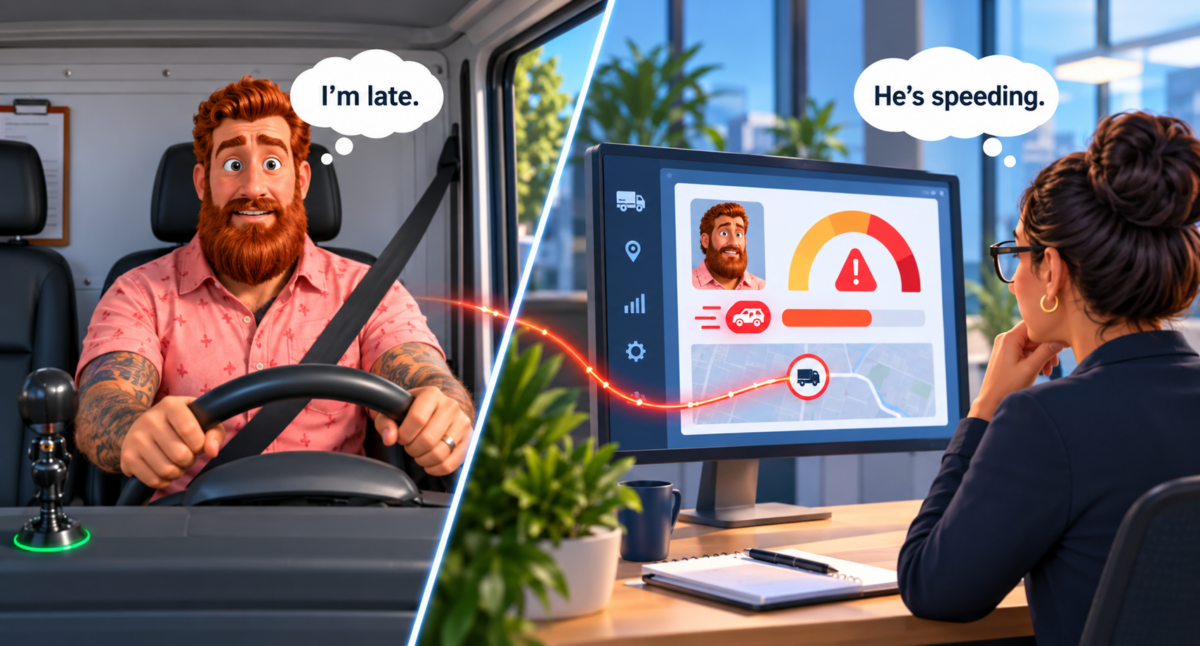
A driver brakes hard, which sets off an alert. The fleet team reviews what happened, talks it over with the driver, and records the coaching session. This process is usually seen as effective because it helps spot and address risky behavior. But the harsh brake might not be the most important detail. The driver could also have been speeding more often, following other vehicles too closely, or driving late into shifts with similar incidents. While none of these actions alone explains a crash, together they can show a pattern of risk that a single event review might miss. This matters because fleet safety has often focused on single events. Telematics can show when a driver accelerates quickly, goes over the speed limit, brakes hard, or uses a phone. The real challenge is figuring out what these events mean when they happen together. A harsh brake might be a one-time thing or the result of choices made earlier. More and more, data shows that seeing these patterns is more useful than just counting events.
The event is visible, the pattern is harder to see
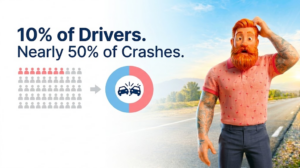
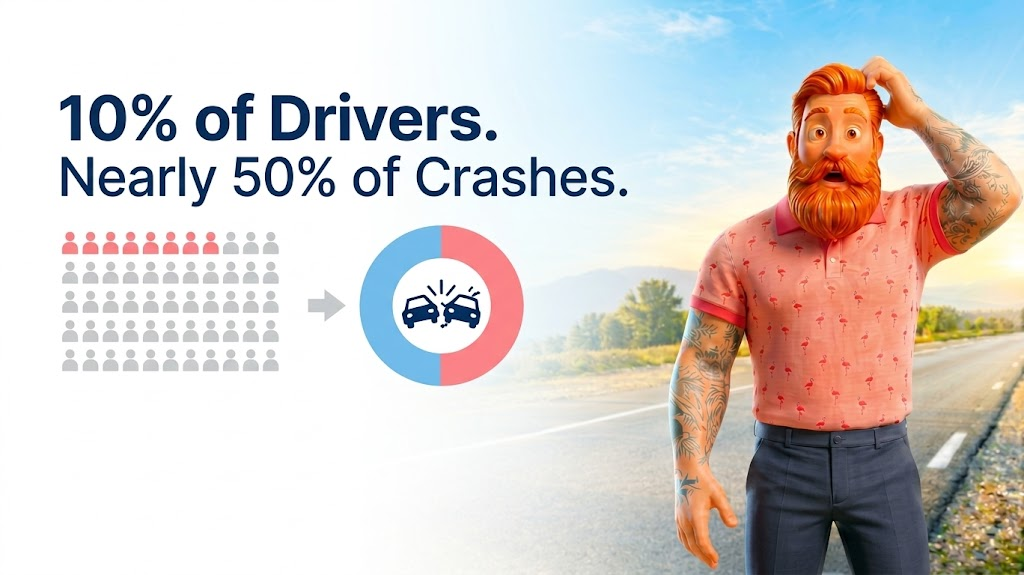
A September 2026 report from Samsara, shared by Commercial Carrier Journal, points this out. The analysis found that the riskiest 10% of drivers were involved in nearly half of crashes, and that combinations of risky behaviors led to much higher crash risk than any single behavior. Not every speeding event or harsh-braking alert means a crash is about to happen. Often, risk comes from how different behaviors interact. Each event is a signal, but the pattern tells the real story.
Research by Muhammad, et al., supports this idea. Their 2025 study created a personalized driver-risk assessment system that combines telematics with road and environmental data. Instead of using the same rules for every driver, they looked for individual behavior patterns and gave feedback that fit each driver. This is important because fleets have drivers with different habits, routes, environments, and backgrounds. A good safety system needs to recognize these differences instead of reducing them to a single score.
Context also changes what an event means
More data does not always make predictions better. A study by Slimene and El-Yacoubi found that even when telematics data was combined with claims history, predictions were still limited. Their research shows that the same speed can mean very different risk levels depending on the road, speed limit, weather, traffic, and time of day.
For fleets using advanced analytics, the challenge is not just building a more complex model, but really understanding the data behind it. This changes how safety teams look at alerts. Instead of only asking, “What happened?” they should also ask, “What else was happening at the same time?” This wider view can lead to better interventions. The point of finding patterns is to change them.
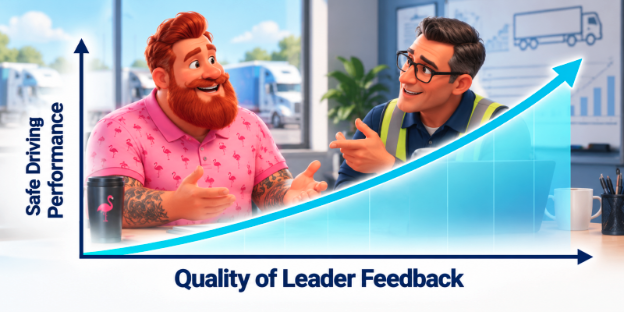
Think about two coaching conversations. The first is about a single event: “You had three harsh-braking incidents this week. You need to leave more following distance.” The second looks at a pattern: “We are seeing repeated harsh braking when you drive faster than usual, especially during late shifts. What is happening on those routes?” The second approach does not excuse the behavior, but it opens the door to understanding it. This difference is key to real learning.
Bridging the gap between data and learning
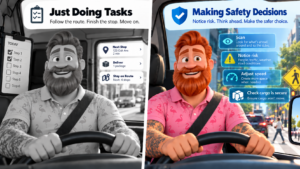
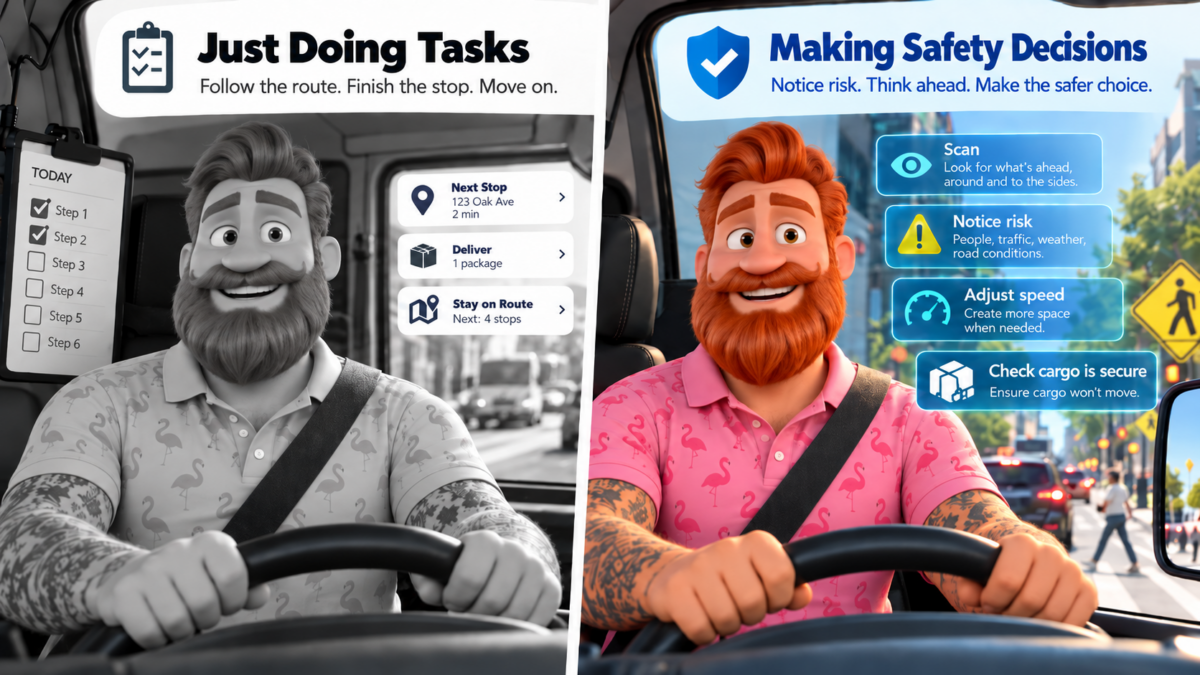
Data can show patterns, but it cannot explain why they happen or how to help a driver improve. The learning response needs to consider the person, the situation, and real-time choices. This is where the methodology behind IMPROVLearning come in. Improv is about responding well to changing situations instead of sticking to a fixed script. Connection makes coaching a conversation, not a judgment. Education turns information into understanding, practice, and better decisions. Even humor can make tough learning easier and more memorable when used well. Technology can show where risk is building, but people need to help drivers respond in new ways.
This suggests a new path for fleet safety:
Event → Pattern → Context → Conversation → Learning → Behavior change.
The goal of telematics should not be to record every mistake, but to help fleets see when separate events form a meaningful pattern and step in while change is still possible. The most valuable safety data may not be the alert that gets noticed, but the pattern that explains why alerts keep happening.
 Learner Login