Professional drivers are the backbone of commercial transportation, logging millions of miles each year to keep goods and people moving. Yet even these skilled drivers sometimes bend the rules, speeding, rolling through stop signs, or pushing through red lights.
Such behaviors are dangerous – speeding has been involved in roughly one-third of U.S. traffic fatalities (29% in 2023), and red-light running alone causes over 1,000 deaths. For fleet operators and safety managers, understanding why these violations happen is key to improving driver behavior, reducing risk, and protecting both people and assets.
This article explores the everyday pressures that lead professional drivers to break traffic laws and how fleet management programs can use data, training, and company culture to make roads safer for everyone.
Time Pressure and Tight Schedules
Few things push drivers toward unsafe behavior like time pressure. Tight delivery windows, unrealistic routes, and back-to-back schedules create constant urgency. Research shows that when drivers are in a hurry, they take more risks, drive faster, and pay less attention to the road.
Fleet drivers often face extra stress with multiple stops, service hour limits, and unpredictable traffic. Even well-meaning incentive programs can make the problem worse. When rewards or recognition are tied to how fast a driver finishes, safety can start to take a back seat.
A fleet culture that celebrates “fastest” instead of “safest” unintentionally teaches drivers to take shortcuts. On the other hand, companies that set realistic expectations and reward safe driving see better compliance and stronger morale.
Traffic Congestion, Stress, and Aggressive Driving
Heavy traffic challenges everyone, but professional drivers spend more time in it than most. Stop-and-go conditions, tight schedules, and pressure to stay on time can easily lead to frustration and aggressive driving.
When drivers feel behind, they may tailgate, weave through lanes, or try to speed through short gaps in traffic. At intersections, impatience often leads to rolling stops or running yellow lights to “save time.” Most drivers know these actions are risky, but when stress and anxiety take over, logic fades fast.
Research shows that most drivers recognize red-light running as dangerous, yet more than a quarter admit to doing it recently. It’s not about not knowing the rules; it’s about reacting under pressure. Fleet driver coaching that focuses on managing stress and emotional control can make a big difference.
Anonymity, Overconfidence, and Complacency
When drivers are behind the wheel, they often feel hidden from the world. That sense of anonymity can make people behave differently than they would face-to-face. Feeling invisible can lower inhibitions, leading to risky choices like rolling through stop signs, speeding on quiet roads, or cutting off another car.
Experienced fleet drivers sometimes develop overconfidence too. After years without an accident, it’s easy to think, “I know what I’m doing.” Over time, small shortcuts start to feel harmless and normal. If those shortcuts go unchecked, they can spread across a team until unsafe habits become part of the routine.
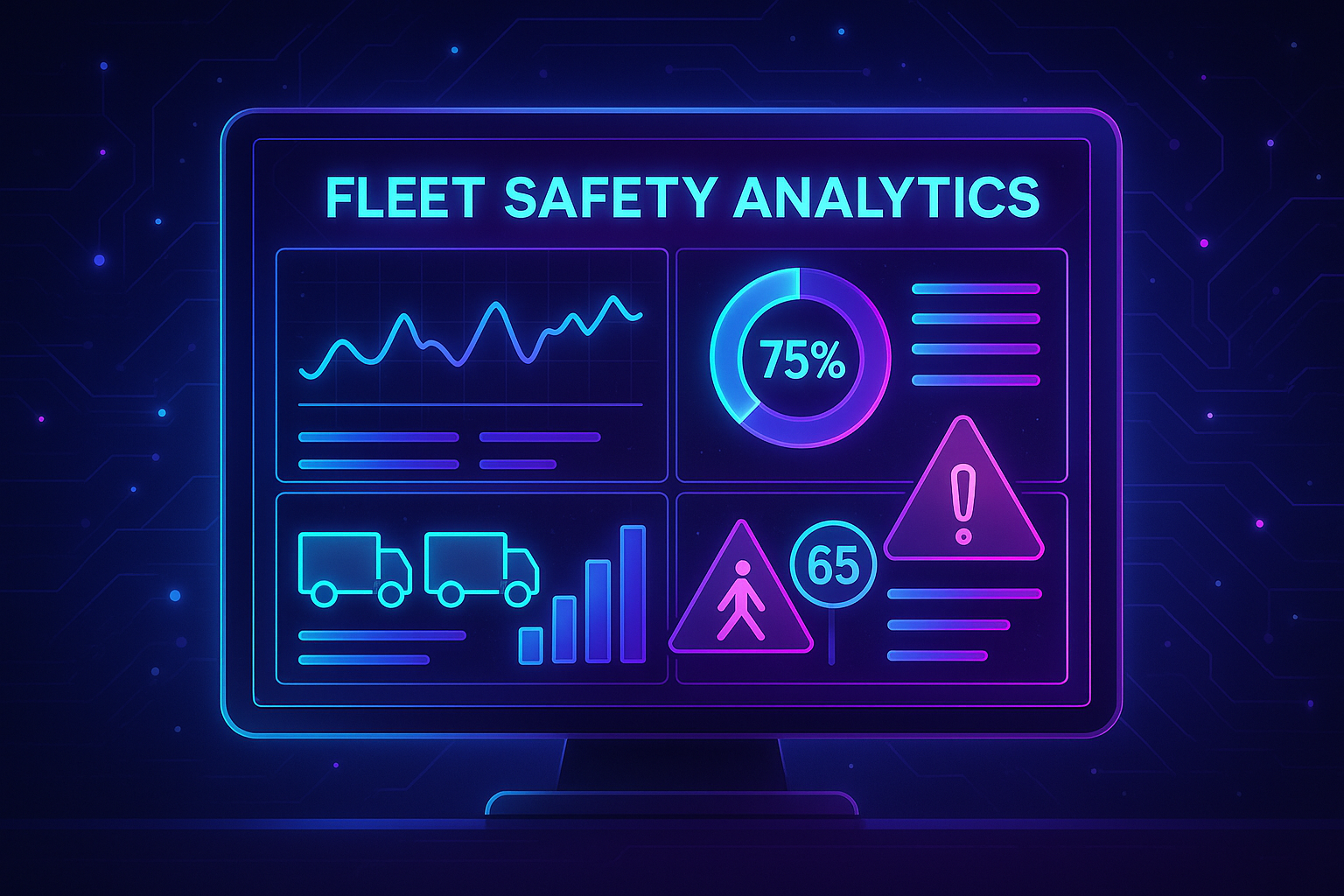
This is where telematics can help. By tracking behaviors like speeding, harsh braking, or incomplete stops, fleet safety systems make invisible habits visible again. Used correctly, this data provides helpful coaching, not punishment, and builds self-awareness that improves performance over time.
Company Culture, Training, and Incentives
Fleet driving behavior doesn’t exist in isolation. It’s shaped by company culture, leadership, and policy. When management focuses only on productivity, drivers often get the message that getting there fast is what matters most. But when leadership consistently reinforces that safety comes first, drivers respond.
The best fleet safety programs combine real-time telematics data, open communication, and regular coaching. Ongoing professional driver training helps drivers understand the real impact of risky behaviors. Many fleets use video reviews or simulations to show how small mistakes can lead to major consequences.
Incentives matter too. Rewarding drivers for safe, consistent performance instead of just fast deliveries sends the right message. And giving drivers a voice about scheduling and delivery pressures builds trust. When people feel supported instead of rushed, they’re far more likely to follow the rules.
Building a Safer Fleet
Understanding why professional drivers break traffic laws isn’t about pointing fingers. It’s about seeing the real-world pressures that shape behavior and addressing them with smart, data-driven solutions.
Fleet managers can make a lasting impact by:
- Setting realistic delivery schedules and routes
- Using telematics insights to spot risk trends early
- Offering regular, scenario-based driver safety training
- Rewarding safe driving behaviors
- Encouraging open communication about road challenges
At the end of the day, fleet drivers are human. They face stress, deadlines, and fatigue like anyone else. But with the right tools, structure, and support, they can be the strongest advocates for safety on the road.
In a world where time is money, one truth stands out: safety is priceless.
 Learner Login