A safety procedure might look complete on paper: the load is checked, paperwork is signed, the route is planned, and the driver is cleared to go. But if someone at the last checkpoint spots a problem, it becomes clear that safety is more complicated than just following a checklist. Assigning responsibility is not enough. People need the knowledge, confidence, and authority to act when things don’t go as planned. In reality, plans often change.
Responsibility has to reach the decision point
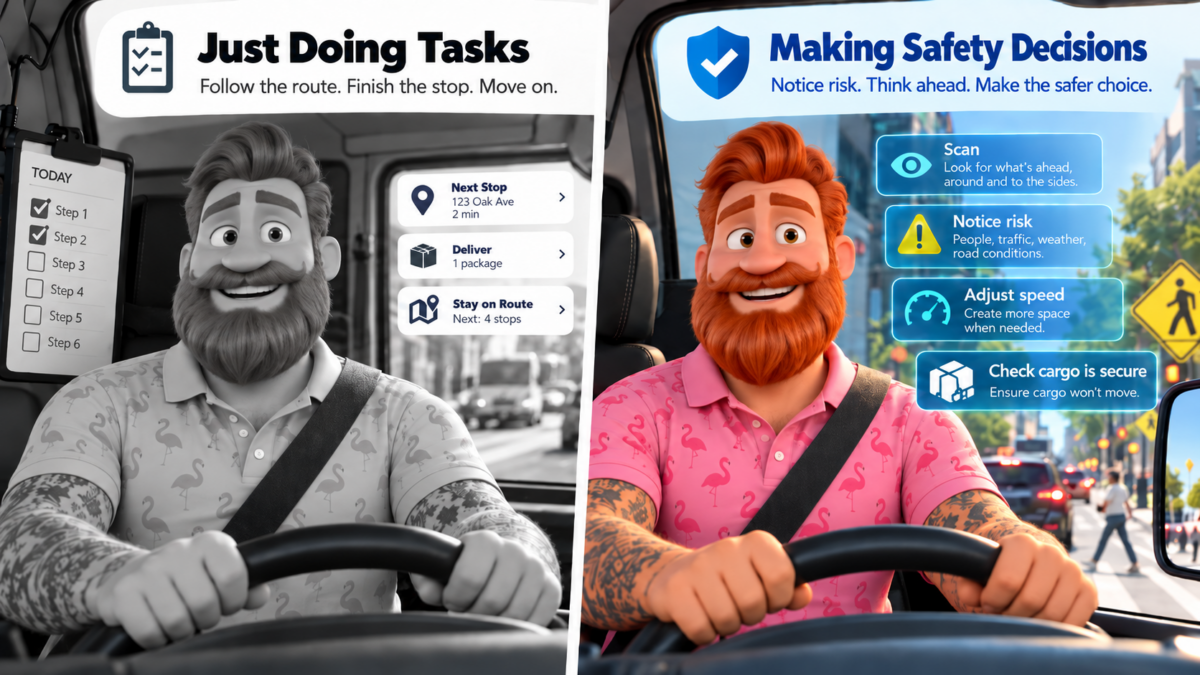
The U.S. Department of Labor’s guidance on the motor carrier exemption points this out by showing the difference between employees who simply do tasks and those who actually make safety decisions, like “loaders who are responsible for the proper loading of the vehicle.” This difference matters.
Someone might load equipment or do an inspection but not feel able to question earlier decisions. In the same way, a driver might be responsible for safe driving but not know about choices made earlier. You can’t assign safety responsibility just by job title or paperwork. People need to be able to spot, question, and fix problems.
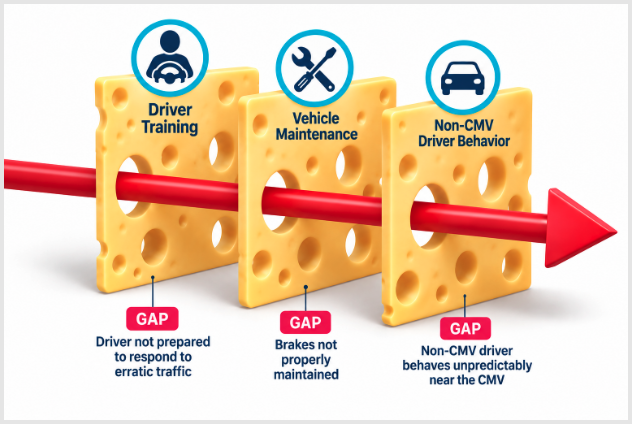
A recent case in Colorado shows why this matters. In 2022, an excavator being transported hit an I-25 overpass, and falling debris killed a motorist. The jury found the driver and carrier responsible and awarded $65 million. The main issue wasn’t the verdict, but the missed chances before the crash: loading, securing, checking the setup, and planning the route. Each step was a chance to catch a problem. The real question is whether the people at each step had the information, confidence, and authority to act.
Preparing people for the moment the plan changes
Traditional safety methods often focus on following procedures, training, and checklists. These are important, but they can’t cover every situation.
IMPROVLearning uses a different method. It combines improv, comedy, connection, and education to help people deal with real situations instead of just memorizing steps. Improv helps people react to changes. Comedy makes serious topics easier to talk about and remember, which helps people get involved. Connection highlights the relationships in safety decisions, like between drivers and supervisors. Education turns these experiences into practical skills.
Together, these ideas fill the gaps that checklists can’t. They move learning from “Here is what the procedure says” to “What will you do when things don’t go as planned?” This difference is important.
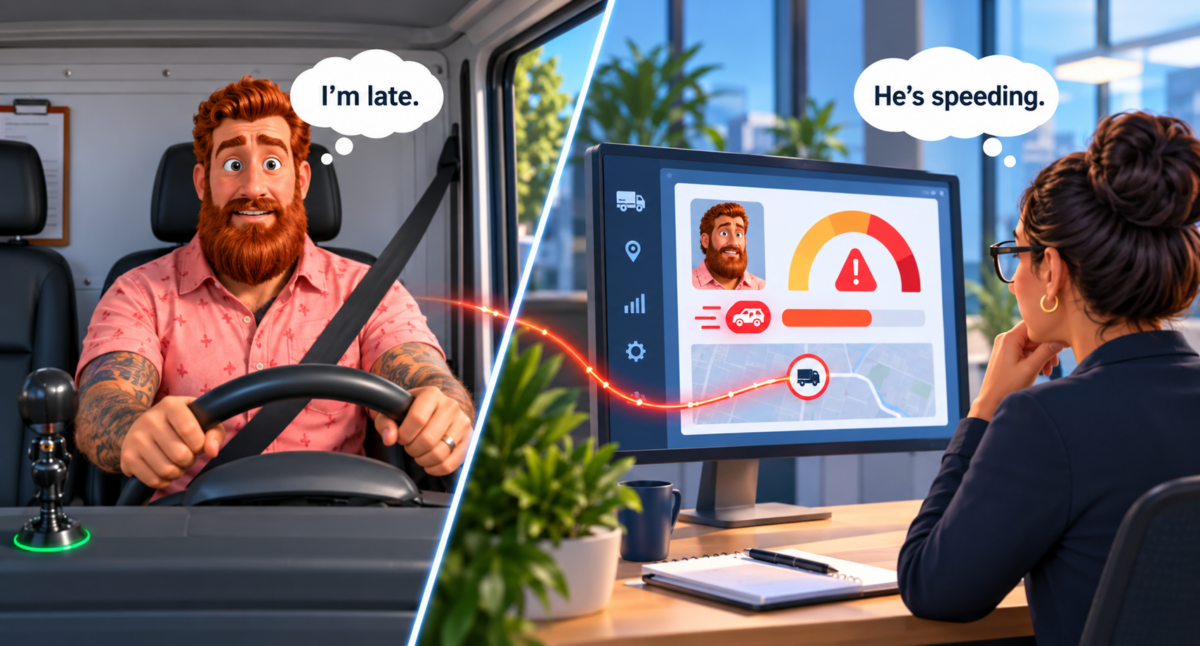
A driver might know the load must be safe before leaving, but the real test is noticing and dealing with problems after others have approved the vehicle. Does the driver know what to look for, how to raise concerns, and feel able to question earlier decisions? Most importantly, do they know they have the authority to stop?
Make the checkpoint a real decision
A good safety checkpoint is a decision point, not just a box to check. Sometimes the right choice is to go ahead; other times, it’s better to ask questions, request another check, change the plan, wait, or stop the job. These actions aren’t failures, they show the safety system is working.
Safety education needs to do more than just pass on information. People need to know not only what the rules are, but why checkpoints matter, what to look for, and how to react if something seems wrong. They also need chances to talk about and practice these decisions before they face real consequences.
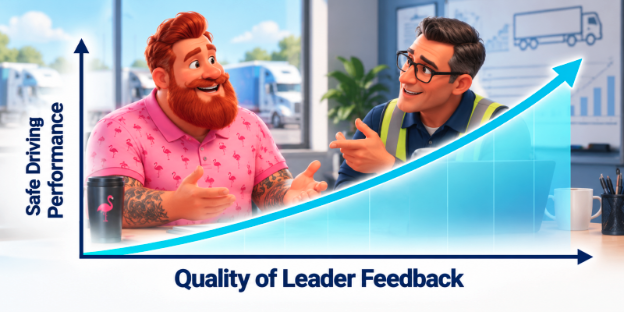
IMPROVLearning’s approach is especially useful here. By focusing on participation, connection, engagement, and hands-on learning, it helps people get ready for unpredictable situations by thinking through their responses ahead of time. Organizations need to support these behaviors every day. If slowing down, asking questions, or stopping work leads to criticism or pressure to “just get it done,” then the safety procedure is weakened by the company’s culture. No training can make up for a culture that discourages the very behaviors it says are important.
When training helps people spot uncertainty, share concerns, and practice responsible actions—and when the company backs their authority to act, then each checkpoint becomes a real chance to prevent harm. The best safety systems don’t assume every situation can be predicted. They help people notice changes, work with others, and make good decisions in the moment.
Procedures describe what should happen when everything goes smoothly. Good learning prepares people for when it doesn’t. A real safety culture shows itself not when everyone sticks to the script, but when someone sees the script no longer fits and feels confident enough to say stop.
 Learner Login