Two trucking companies might follow the same federal safety rules but still have very different experiences on the road. One handles long-haul deliveries across several states, while another runs a regional fleet through busy city streets. Their drivers deal with different schedules, traffic, and pressures. Still, both companies are expected to operate safely. Regulators have to figure out how to judge safety in an industry where situations are rarely the same. This leads to a key question: how do you create a fair system when the conditions keep changing?
FMCSA is looking to improve how it spots risk
In his October 30, 2026, Transport Topics article, FMCSA Takes Aim at HOS, SMS Updates, reporter Keiron Greenhalgh covered comments from Federal Motor Carrier Safety Administration Chief Safety Officer Steve Dowling at the WEX OTR Summit. Dowling talked about the agency’s ongoing focus on hours-of-service flexibility and updates to its Safety Measurement System (SMS), which uses safety and compliance data to find carriers that might need more oversight.
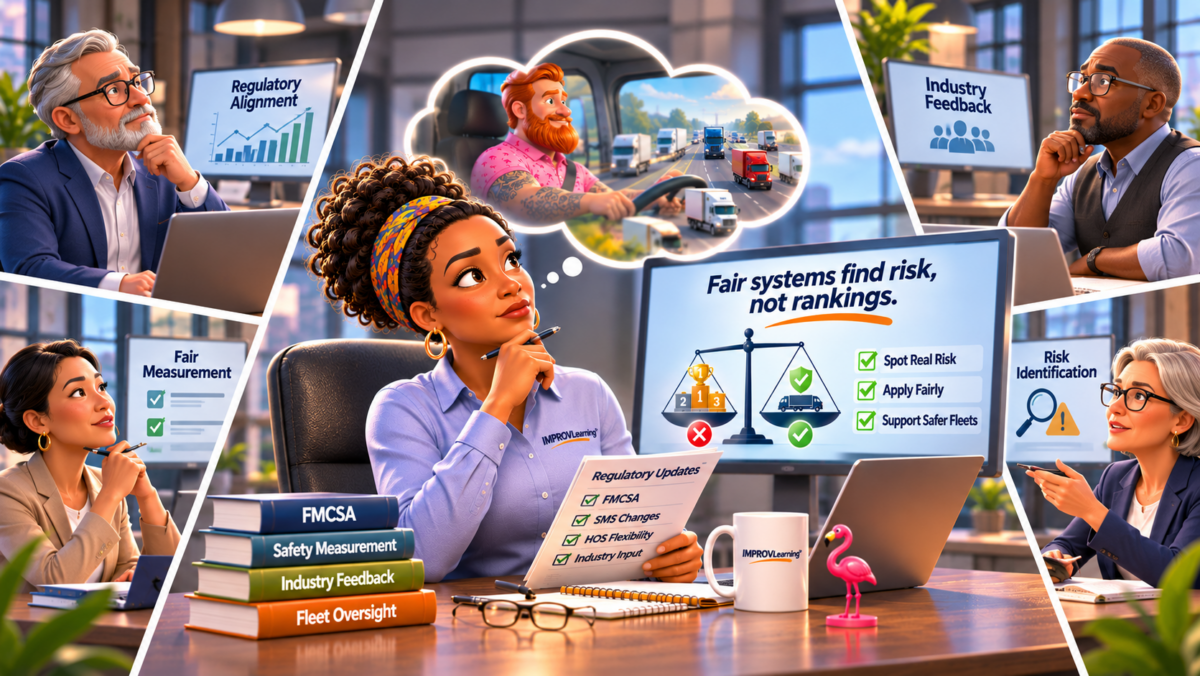
FMCSA plans to share proposed SMS changes for industry feedback. Dowling said the agency wants to get better at spotting risk, but also knows it’s hard to apply one system to such a fast-changing industry. He also said it’s important to create a fair system for all carriers. That goal is worth a closer look, because fairness in safety oversight is about more than just using the same rules for everyone. It also means checking if the ways we measure performance really find the risks they’re supposed to.
Fairness and consistency aren’t always the same
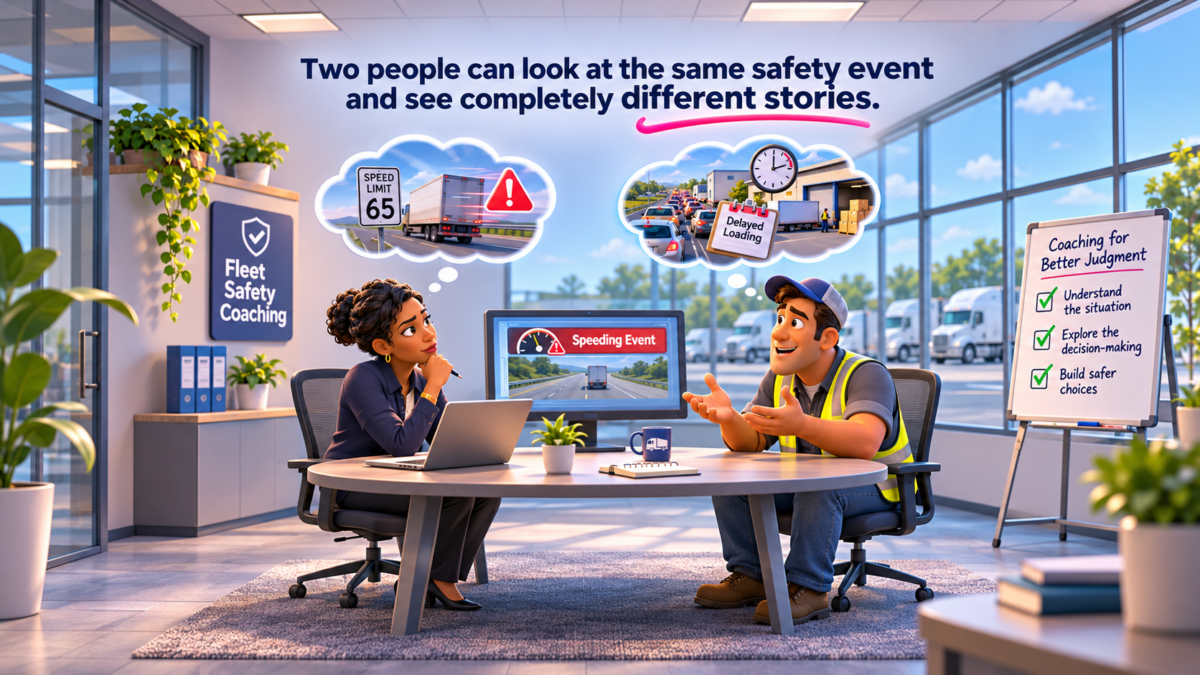
Standardized measurements are important for regulators. Without shared criteria, it would be much harder to judge safety across thousands of carriers. But just being consistent doesn’t mean every difference in operations is covered. Think about two fleets with different routes. One mostly drives on predictable highways, while another often deals with crowded city streets. They face different driving conditions, even if both care about safety. This doesn’t mean one should have a different standard.
It means regulators have to tell the difference between real safety risks and just different ways of operating. For fleet leaders, this matters. A safety measurement system shapes how carriers see their performance, set priorities, and respond to oversight. If the system gets better at finding real risks, the information it gives can help focus safety efforts. But improving a measurement system isn’t just about changing a formula. Any changes need careful review to see if they give a clearer picture of risk and avoid new problems. That’s why FMCSA’s plan to get industry feedback is so important. People who run fleets every day can share insights that might not show up in the data.
Better safety oversight takes more than better measurements
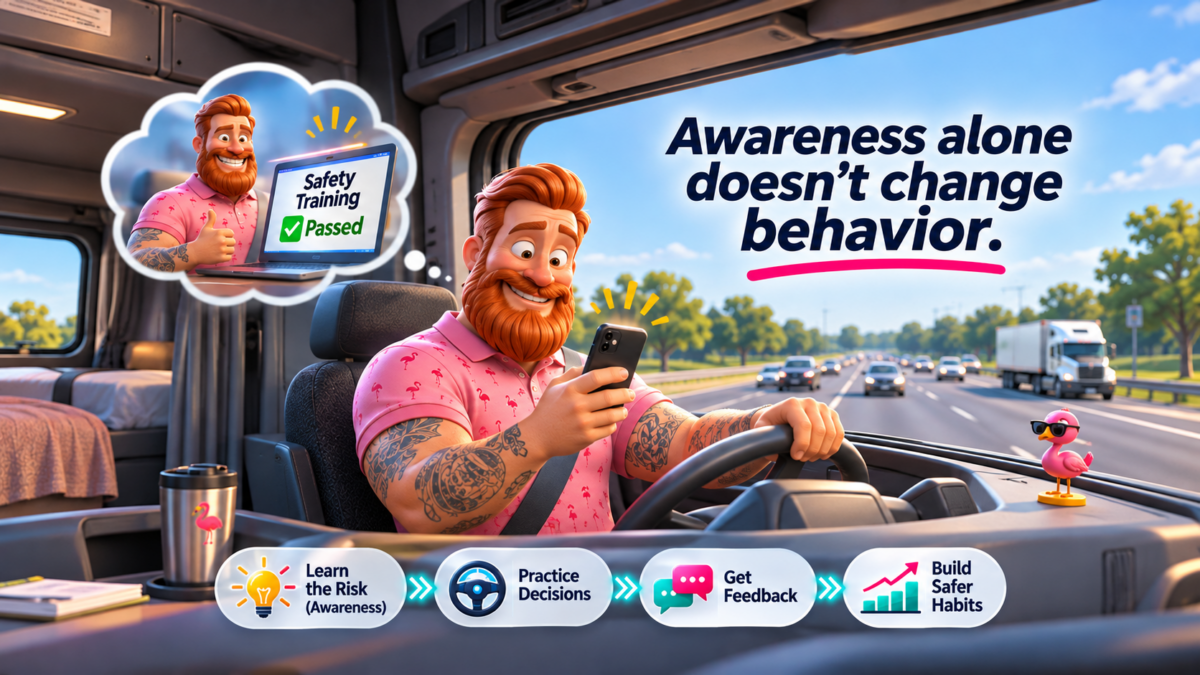
At IMPROVLearning, we believe real safety improvement comes from understanding the people, choices, and situations behind performance. That view matters in talks about regulatory measurement too. Data can show patterns, but you need context to know what they mean. A good safety measurement system should help focus on real risks and let organizations make smart decisions about how to handle them.
For fleet executives, joining in on talks about new rules is more than just following the law. It’s a chance to share practical knowledge about how safety risks show up in different settings and how to spot them better. The same idea works inside companies. When leaders look at safety performance, they benefit from knowing what their measurements show, what they might miss, and how the results connect to daily work. Regulatory consistency and understanding how things work on the ground should go hand in hand.
Safety isn’t a competition
One of Dowling’s final points at the summit stood out: “Safety is not a competition.” This matters in an industry where companies are often compared by scores, rankings, and other measures. A fair system shouldn’t just give every carrier a shot at a good score. It should help find real risks and support the bigger goal of preventing crashes, injuries, and deaths.
FMCSA’s proposed SMS changes haven’t been released for public review yet, so we don’t know their full impact. But the discussion gives fleet leaders a chance to think more deeply about what fair and effective safety measurement should do. In the end, measuring safety isn’t about picking winners. It’s about making
 Learner Login
 Contact Support