Most people don’t like being watched while they work. For truck drivers, a camera in the cab can feel like having an extra passenger who never sleeps, never looks away, and sometimes reports to management. Fleet managers see the technology as a way to spot risky behavior and prevent accidents. For drivers, though, it can feel like another way to be monitored or blamed. But if that same camera records a highway incident and shows the driver wasn’t at fault, it suddenly becomes a helpful witness. This shift in perspective is central to the current industry discussion about AI safety technology. Drivers may be more open to monitoring when they see it as something that protects them, not just watches them.
The moment AI becomes more than a monitoring tool
At the American Trucking Associations’ Management Conference & Exhibition on October 19, fleet and technology leaders talked about how AI is changing safety operations and driver coaching.
Transport Topics News reported on the event. Austin Henderson, vice president of innovation and engineering at Werner Enterprises and FirstFleet, told the story of a driver who was skeptical of AI until a distracted-driving alert helped him avoid a dangerous situation. After staff reached out and he watched the footage, the driver admitted the alert had helped save his life. Henderson also mentioned a veteran driver whose view changed after camera footage proved he wasn’t at fault in a highway incident.
These are individual stories, not proof of a widespread shift in driver attitudes. Still, they highlight the difference between simply installing technology and actually earning trust. A camera that only shows up when something goes wrong can feel like a tool for discipline. But when it also helps protect drivers, its purpose is easier to accept.
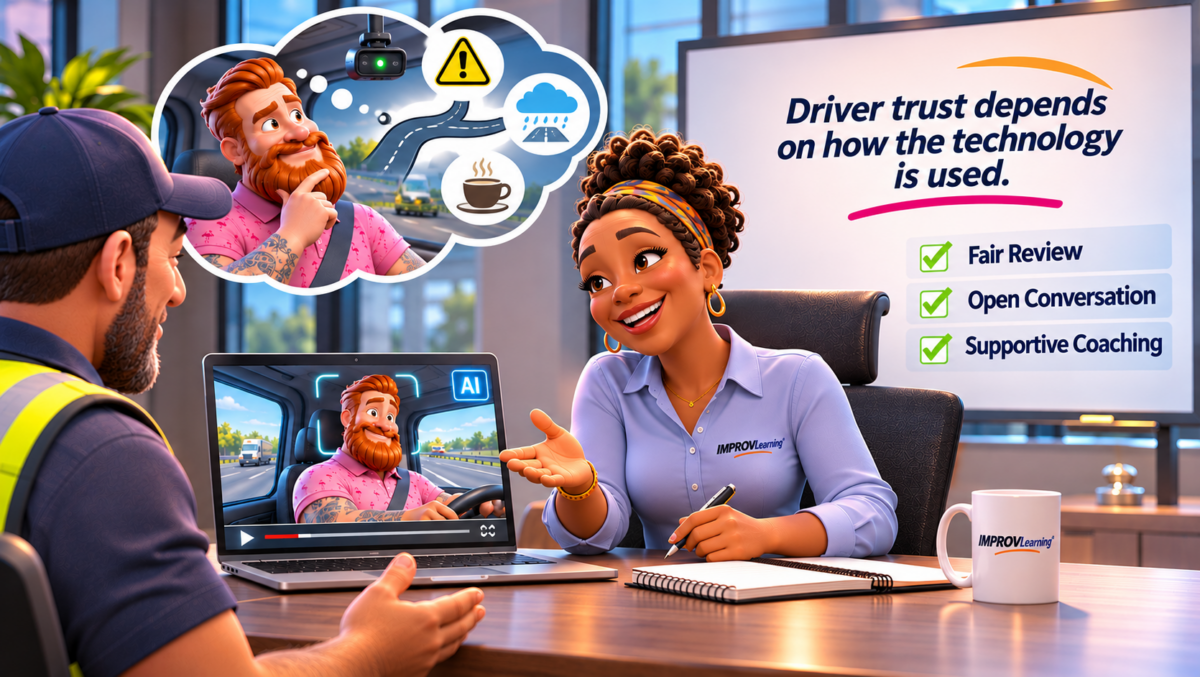
Driver trust depends on how the technology is used
Installing cameras is a technical step. Getting people to accept them is a human challenge. A driver might understand the safety benefits but still worry about whether footage will be reviewed fairly.
- Will supervisors look at the whole situation?
- Can drivers explain what happened?
- Will the technology notice when they make the right call?
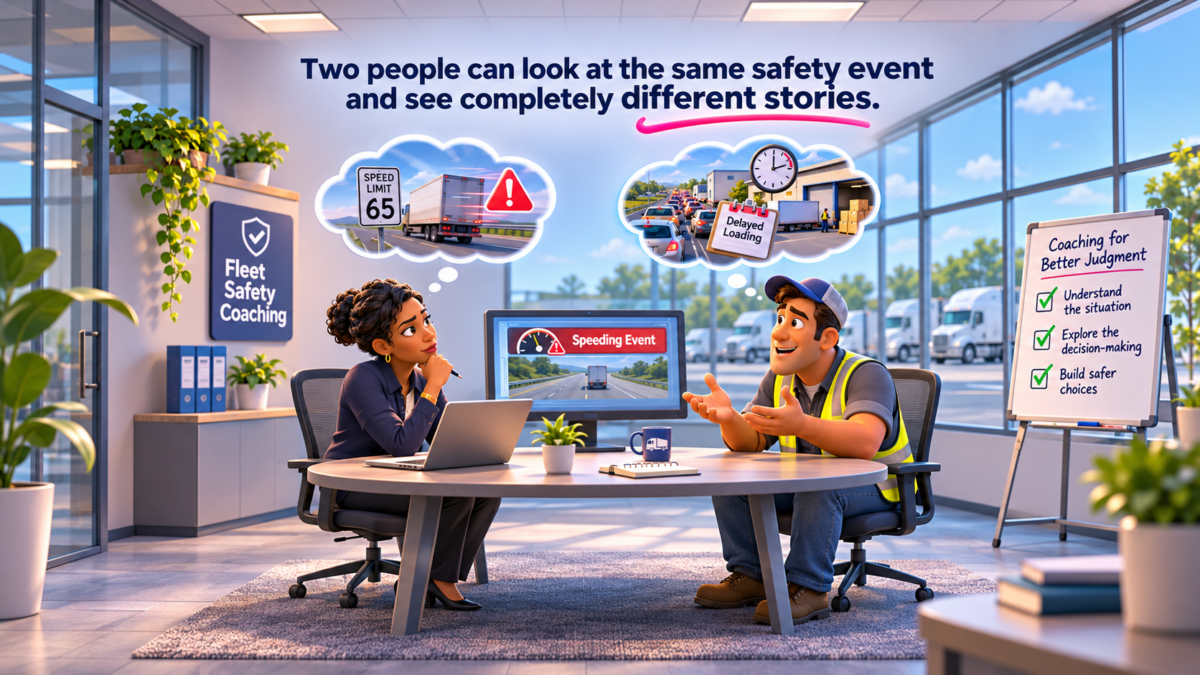
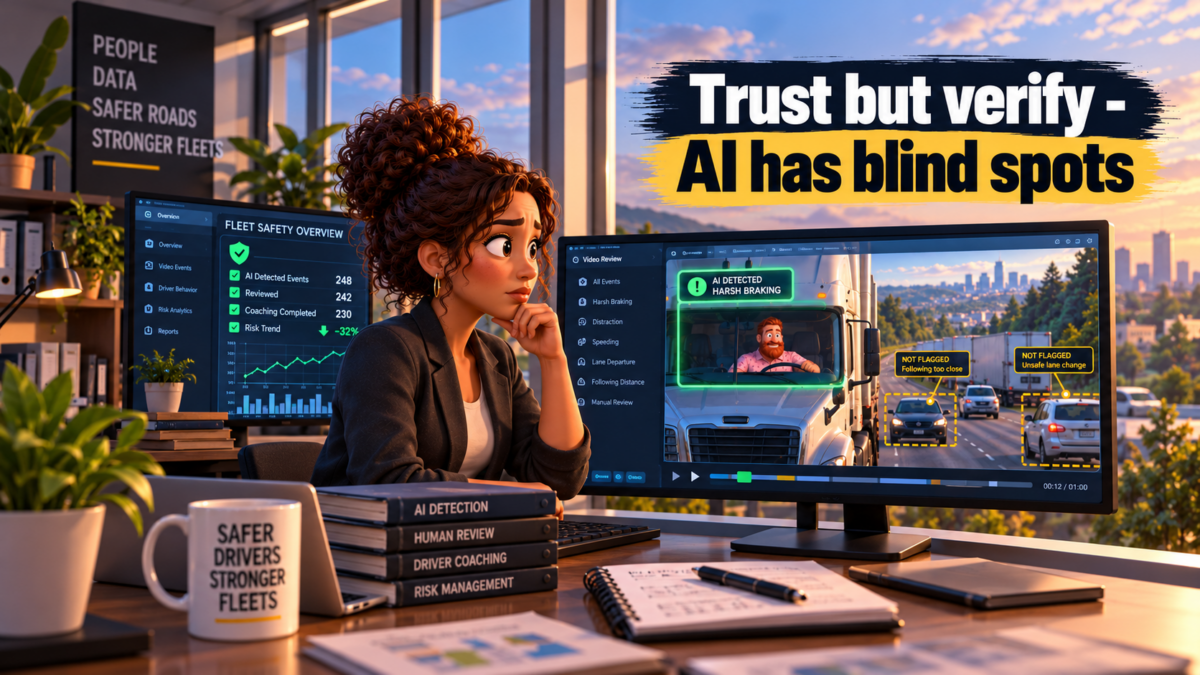
These questions matter because trust grows from experience, not just from explanations about what a system is supposed to do. During the panel, Henderson described AI adoption as a cultural conversation, not just a technical one. This is especially important for fleets investing in more advanced safety systems. An AI alert can point out a possible risk, but what happens next shapes how drivers feel about the program. A warning without context can be frustrating. A fair review that helps a driver understand the event can be a chance to learn.
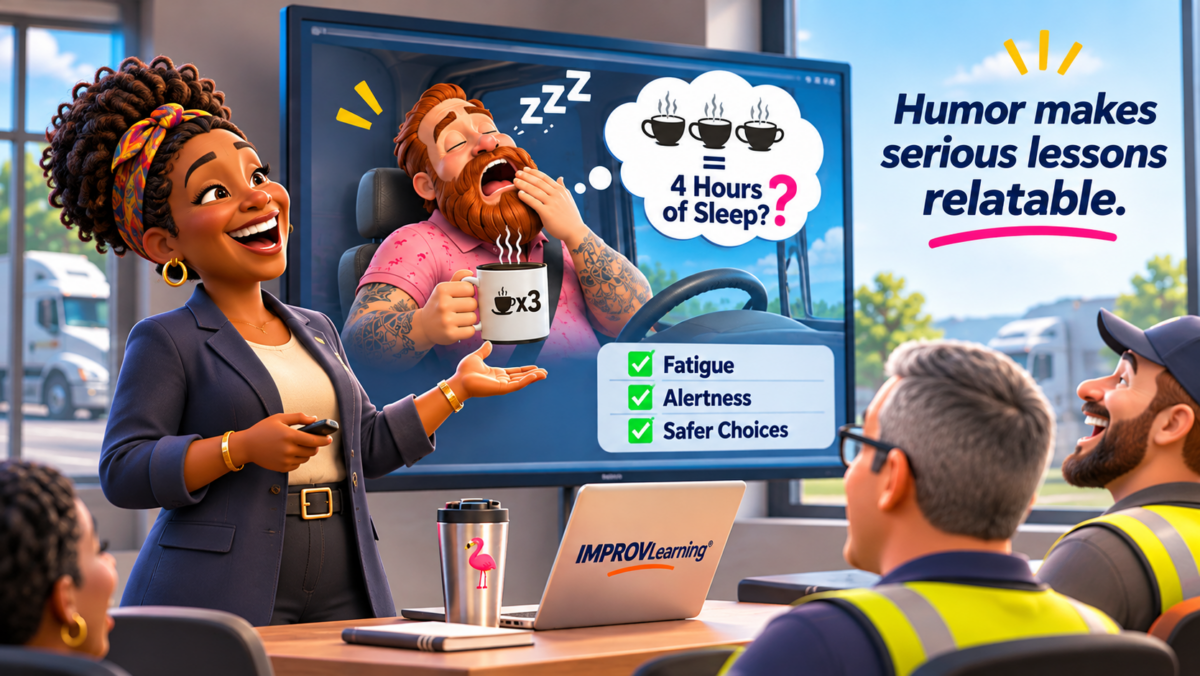
At IMPROVLearning, we focus on safety education through engagement, connection, and helping people understand their decisions. These same ideas can guide how fleets introduce and use AI monitoring. Drivers need to know not just what the technology detects, but also how the information will be used to support safer choices. This means setting clear expectations, giving drivers a chance to talk about recorded events, and making sure coaching feels helpful, not just like punishment.
A camera can record what happens, but people build the trust
For fleet leaders, the lesson goes beyond picking the right technology. AI cameras can spot unsafe behavior and provide evidence when incidents are questioned. But these features alone don’t guarantee drivers will trust the system. The stories in Transport Topics show that personal experience shapes how drivers see monitoring. Whether these experiences lead to wider acceptance or lasting change is still an open question.
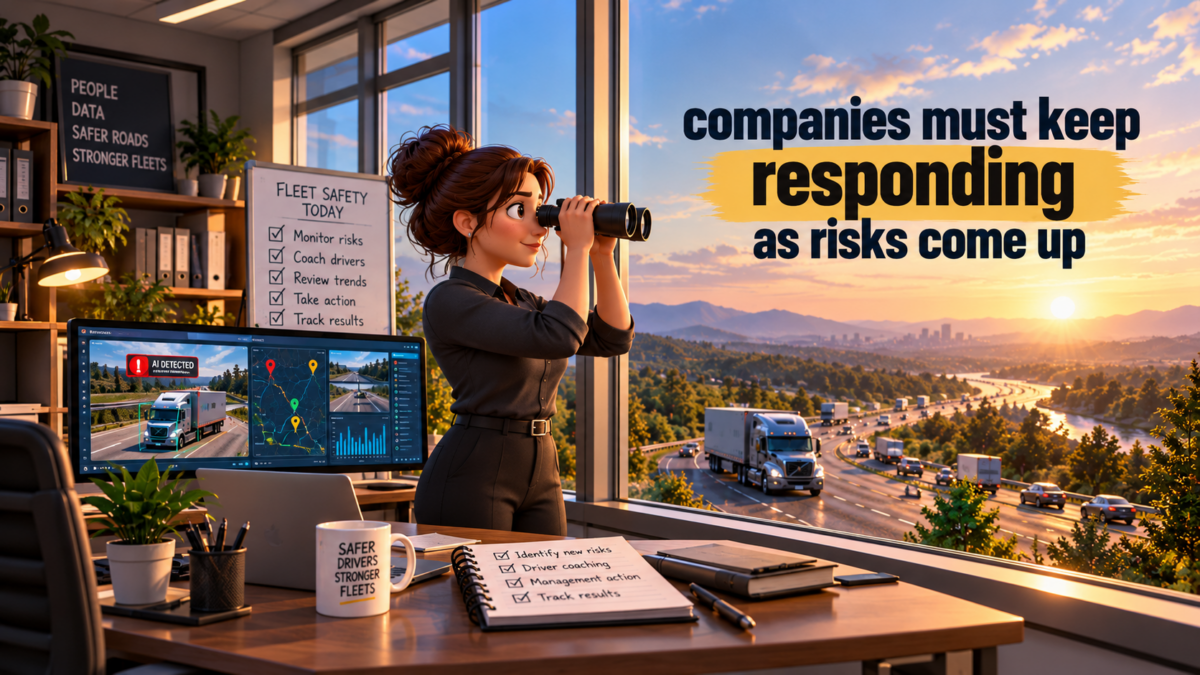
Fleets have a chance to make sure their safety programs match the purpose they share. If cameras are meant to protect drivers but are mostly used to assign blame, the message loses credibility. If the technology supports fair reviews, helpful coaching, and better decisions, drivers have more reason to value it. In the end, drivers may not trust AI just because it watches them. They may start to trust it when they see it works for them, too.
 Learner Login
 Contact Support