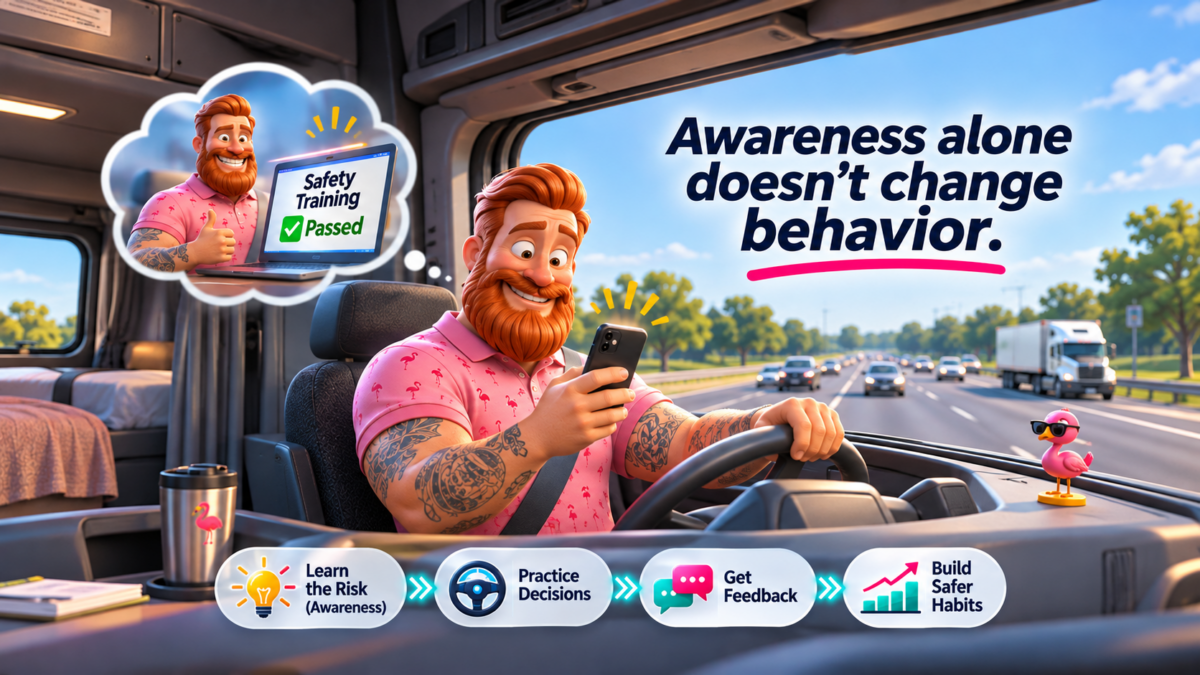
In training, a driver completes a distracted driving course and passes the final test.
They know that using a phone while driving is risky. They can explain why multitasking is dangerous and point out the behaviors to avoid. The training record shows they finished the course, so they’ve shown awareness. But a few days later, while driving, a notification pops up on their phone. They glance at the screen.
The issue isn’t that they forgot the lesson. It’s that knowing something is dangerous and actually making a safer choice are two separate challenges. For fleet leaders, this difference brings up an important question: Are we measuring what drivers know, or whether their behavior really changes?
Awareness is just the start, not the end goal
Most safety programs focus on sharing important information. Drivers learn about rules, hazards, defensive driving, and the results of unsafe choices. This knowledge is important. People can’t respond to risks they don’t understand. But just knowing the risks doesn’t automatically change old habits.
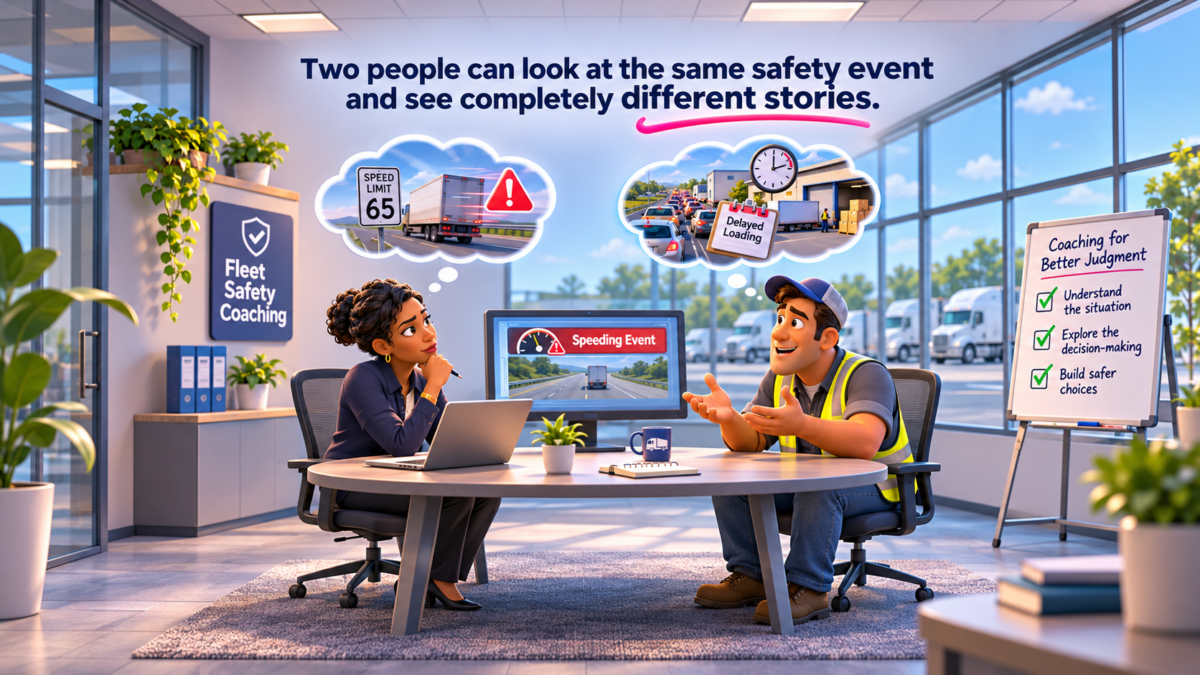
A driver might know speeding is dangerous but still speed if a delivery is running late. Another might understand the need for safe following distance but still get too close when traffic is frustrating. In both cases, the problem isn’t just a lack of information. It’s about using that information when habits, pressure, and distractions come into play. That’s why safety education needs to go beyond just telling drivers what to do.
Practice changes how people learn
Think about teaching someone to swim by only showing them a slideshow about water safety. They might know how to breathe, float, and move their arms. They could even pass a written test. But no one would think they’re good swimmers without time in the water.
Driving is different, but the idea is the same. People need chances to use what they learn. Scenario-based training lets drivers practice decisions before they face them on the road. A simulated delivery delay, an impatient driver, or a sudden distraction gives them a chance to think through their options. Instead of just picking the right answer, they have to decide what to do.
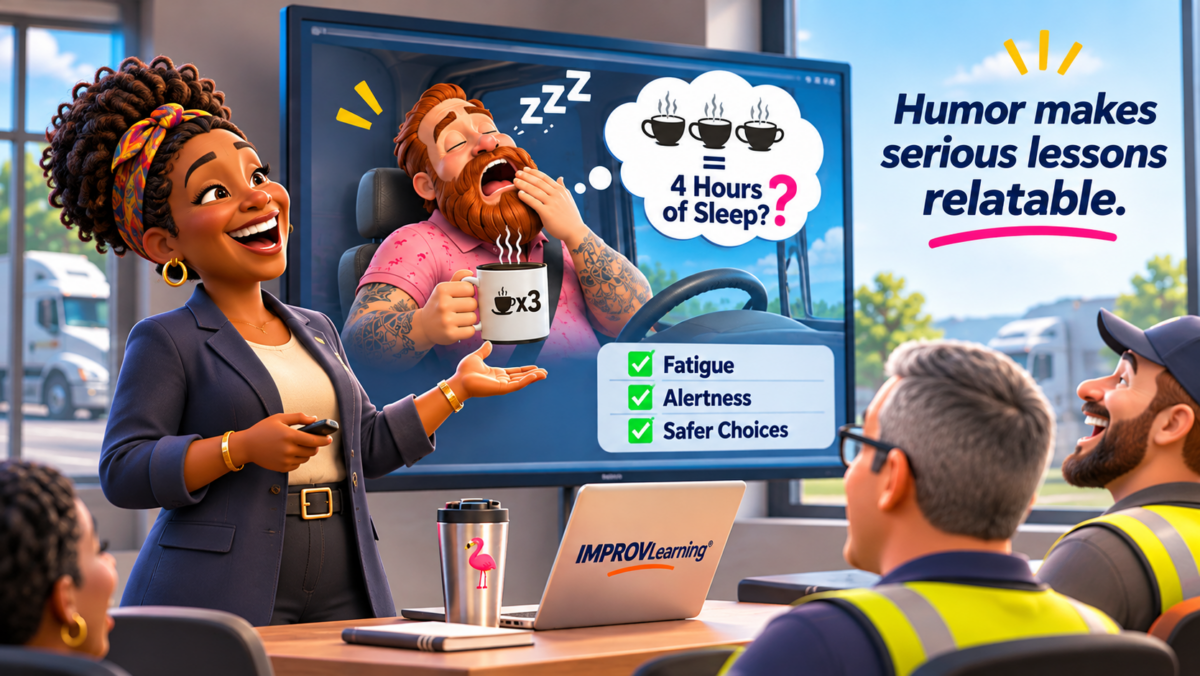
At IMPROVLearning, this is where improv comes in. The goal isn’t to teach drivers to make up their own rules. It’s to help them notice changing situations and respond without losing good judgment. Humor can make these scenarios more engaging and relatable, while the training connects the experience to real decisions. The goal is to help drivers move from just spotting risks to actually responding the right way.
The real test comes after training
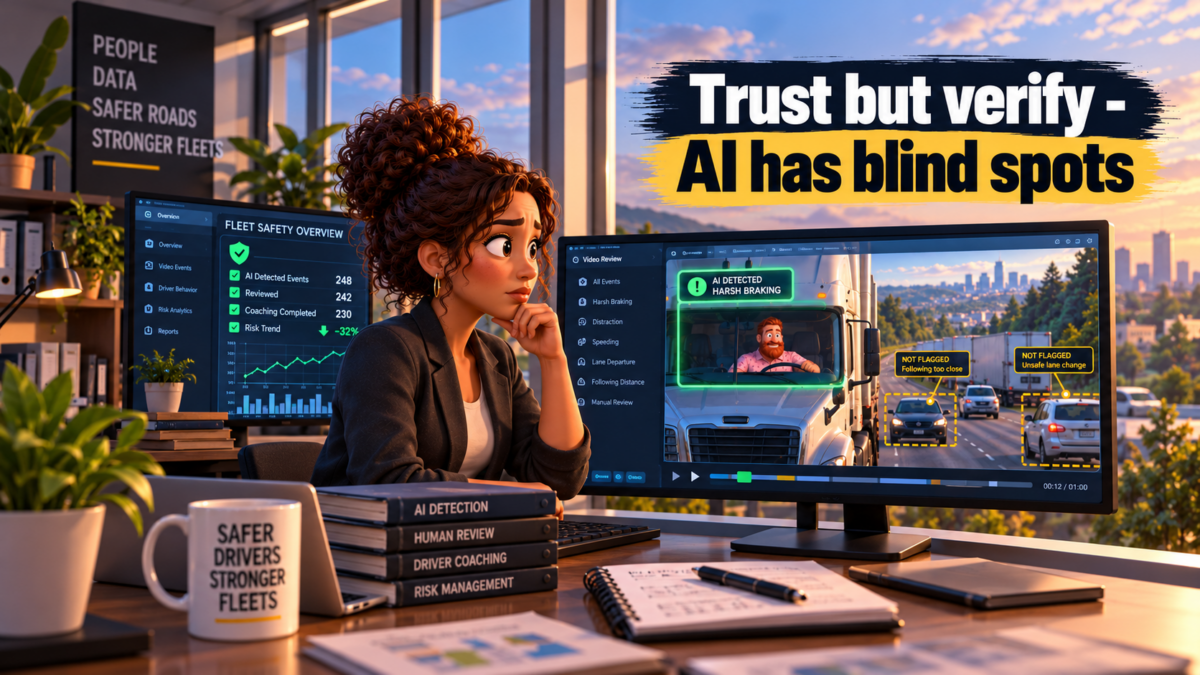
For fleet managers, tracking course completion is helpful, but it’s only part of the picture. A finished course shows a driver took the training. A test might show they understood it. But neither one proves that safer habits have formed. That takes looking at what happens next.
- Are there fewer speeding incidents?
- Are drivers keeping safer distances?
- Do coaching sessions lead to better choices when old pressures return?
These questions link training to real behavior. They also remind us that learning doesn’t stop when a course ends. Feedback, coaching, reminders, and practice all help. A driver might leave training knowing what a safe choice looks like. The bigger challenge is helping them make that same choice when traffic is heavy, the delivery is late, and the phone buzzes. Awareness tells drivers what they should do. Good education helps them do it when it counts.
 Learner Login