Learner Login


That’s how most training works.
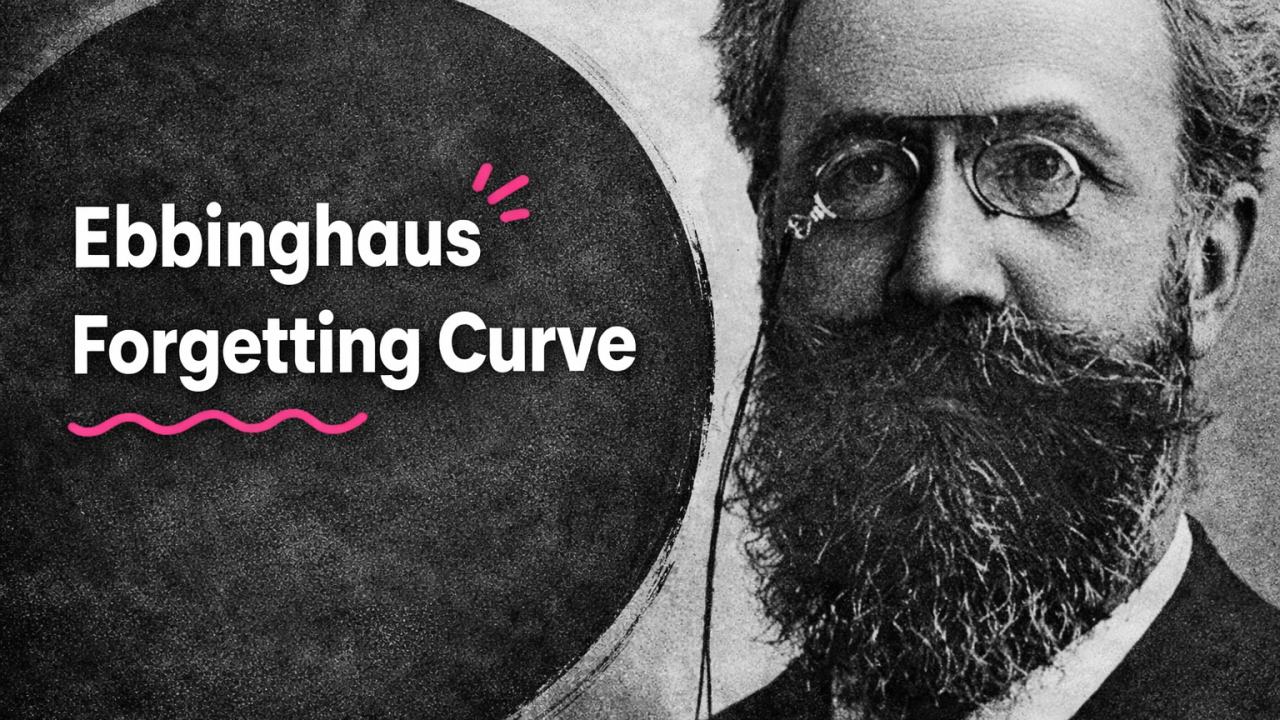
In the late 1800s, German psychologist Hermann Ebbinghaus discovered something uncomfortable about human learning: we forget incredibly fast.
Ebbinghaus found that memory loss is exponential and most rapid immediately after learning. Humans tend to forget about 50% of new information within an hour and roughly two-thirds within 24 hours if it is not reviewed.

Within days, people can forget the majority of new information if it isn’t reinforced.
This phenomenon became known as the Forgetting Curve.
Now think about what organizations still do today:
- One-time training sessions
- Long safety videos
- Annual compliance “check the box” courses
- Information overload in a single sitting
Traditional training assumes that people remember it months later, but evidence suggests that is far from being the case. Unfortunately, businesses are pouring water into a leaking bucket.
The Real Cost of Forgetting
When learning isn’t reinforced:
- Safety incidents repeat
- Bad habits return
- Compliance drops
- Companies keep paying for the same training again and again
While companies have the best intentions to cultivate safety, the problem is that human brains are just not designed to retain this type of training. It’s just how the brain works.
How Memory Actually Sticks
Research shows retention improves dramatically when learning is:
- Repeated over time (spaced repetition)
- Short and focused (micro-learning)
- Memorable and emotional (humor, stories, visuals)
- Relates to real situations
In other words:
Instead of a one-time event, training must become a continuous behavioral nudge.
The Bottom Line
If your training isn’t reinforced regularly…
You’re just pouring money down the drain.