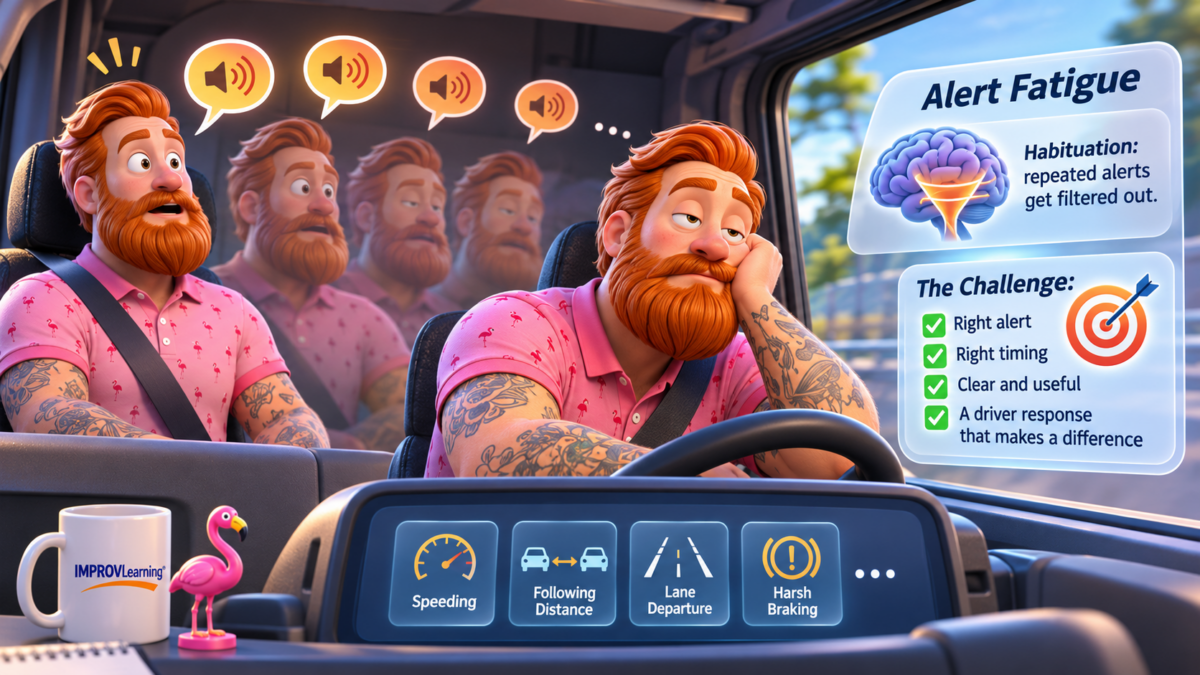
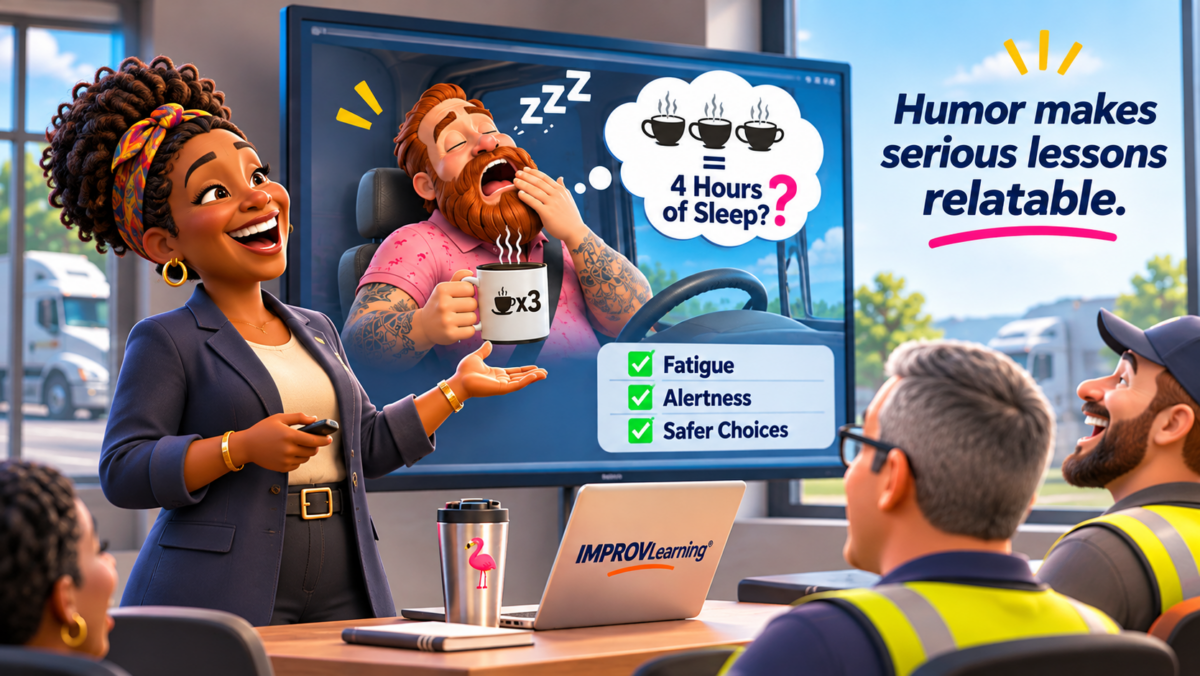
When a warning first sounds in a driver’s cab, it grabs their attention. The next time, they recognize it. By the tenth time, they might barely notice.
The warning stays the same, but the driver’s reaction can change. Modern fleet safety systems alert drivers to speeding, unsafe following distances, lane departures, harsh braking, and other risky behaviors.
Each alert is meant to encourage safer choices. But if alerts happen too often, repeat themselves, or come at the wrong time, even important messages can get lost. This is a challenge for fleet leaders: How do you make sure safety warnings don’t just fade into the background?
When the brain starts filtering out familiar warnings
People can’t pay attention to every sound or piece of information around them. Our brains learn which signals need a quick response, and which can be ignored. Psychologists call this habituation, which means we react less to something we hear over and over. For example, when you first walk into an office with a noisy air conditioner, the sound is distracting.
After a while, you stop noticing it. The same thing can happen with repeated safety alerts, but the stakes are higher. If a driver hears too many alerts that don’t seem important, they may start to ignore them. Eventually, even a real warning could be missed. This is similar to alarm fatigue, a problem in healthcare where too many alarms make it hard to tell which ones matter. The point isn’t that alerts are bad or useless. Their value depends on how well they share important information.
The problem isn’t always the driver ignoring the technology
Imagine a driver getting several following-distance alerts in heavy traffic. Some are real risks that need quick action. Others happen when the driver thinks they’re already doing the right thing. If the driver doesn’t know why an alert went off, they might get frustrated instead of paying attention. Now, if a truly dangerous situation comes up, the driver’s reaction could be shaped by past experiences with the system.
Signal detection theory helps explain this. It looks at how people tell the difference between important signals and background noise, especially when things are unclear. For fleet safety, it’s not just about spotting risky behavior. It’s also about giving warnings that drivers can notice, understand, and act on. Too few alerts might miss real dangers. Too many, or poorly aimed ones, can make drivers trust the system less. Getting it right means knowing both the technology and the people using it.
Technology can spot risks, but education helps people respond
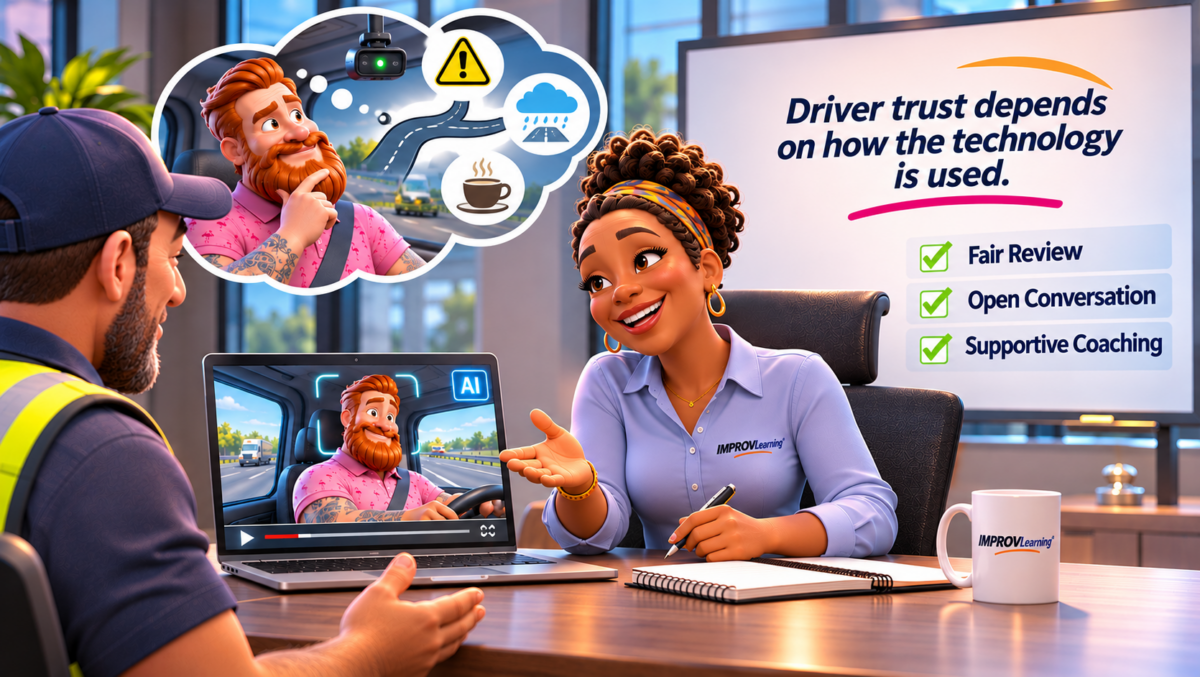
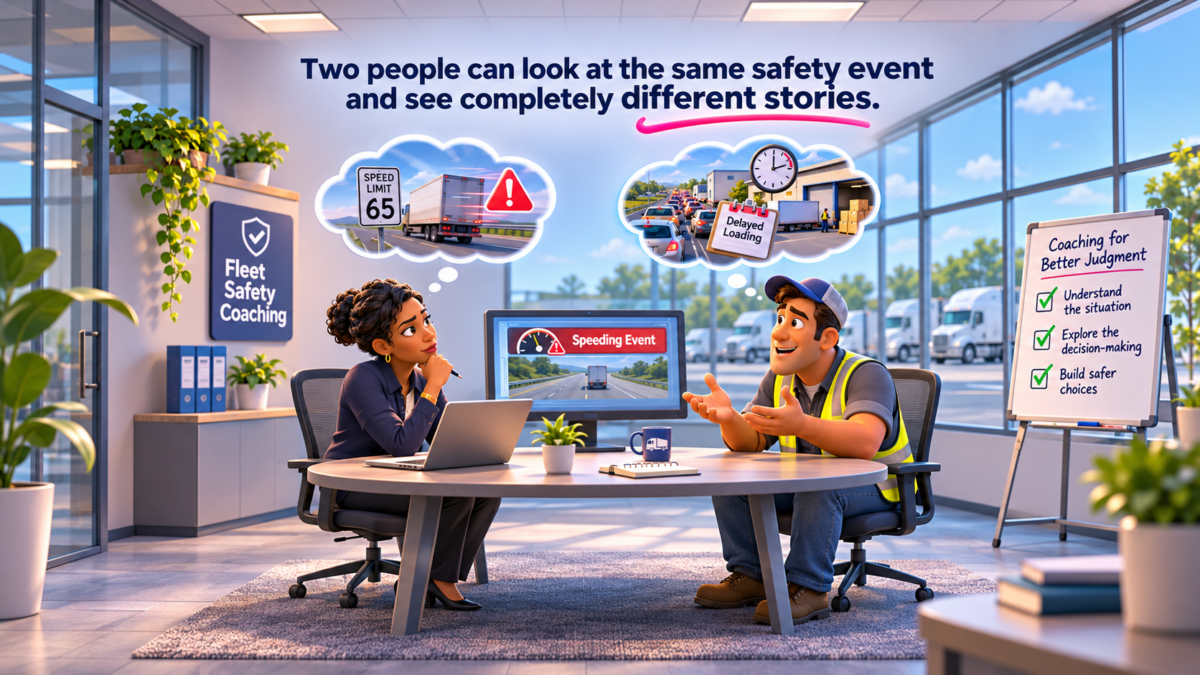
If a safety manager sees a driver getting the same warning over and over, it’s easy to think the driver isn’t paying attention. But it’s also worth asking if the driver understands what the system is saying. Maybe the warning points out a behavior the driver didn’t realize was risky. Maybe the timing is confusing. Or maybe the driver is just used to hearing it and doesn’t know what to do. Each situation needs a different approach. That’s why good safety coaching matters.
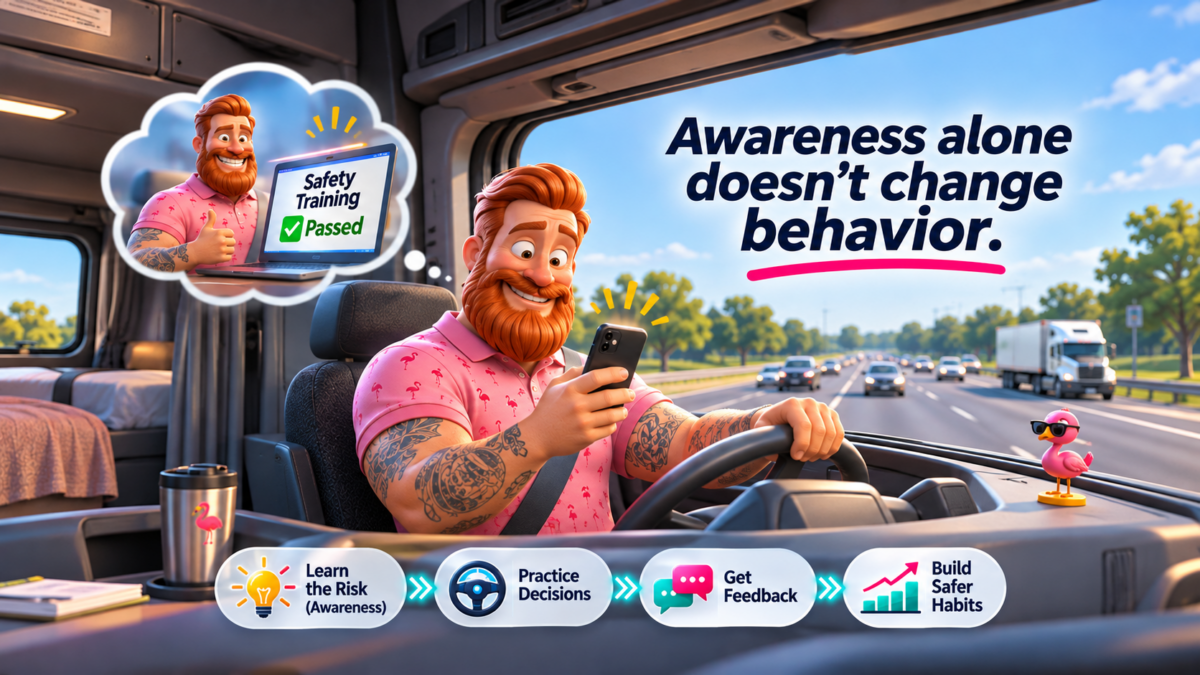
Instead of just telling drivers to stop triggering alerts, managers can talk through what happened, what the driver noticed, and what they could do differently. Scenario-based training can also help drivers practice handling alerts while juggling other demands. The goal isn’t to make drivers follow every alert without thinking. It’s to help them spot risks, use good judgment, and respond the right way.
For fleet leaders, this also means looking at the quality of alerts, not just the number. More warnings don’t always mean things are less safe. Fewer warnings don’t always mean things are better. Changes in settings, road conditions, and driver habits can all affect the numbers. What really matters is whether the information helps people make better choices.
The most important warning is the one that makes a difference
Safety technology lets us spot risks before they turn into incidents. But finding danger and getting people to act on it are two different things. A system can be accurate but still fail to change behavior if drivers stop paying attention to its alerts. That’s why alert design, driver feedback, and ongoing training all matter.
Fleet leaders should ask not just how many warnings their systems give, but which ones drivers understand, trust, and act on. The most important warning isn’t always the loudest or most common. It’s the one that helps a driver make a safer choice in time.
 Learner Login
 Contact Support