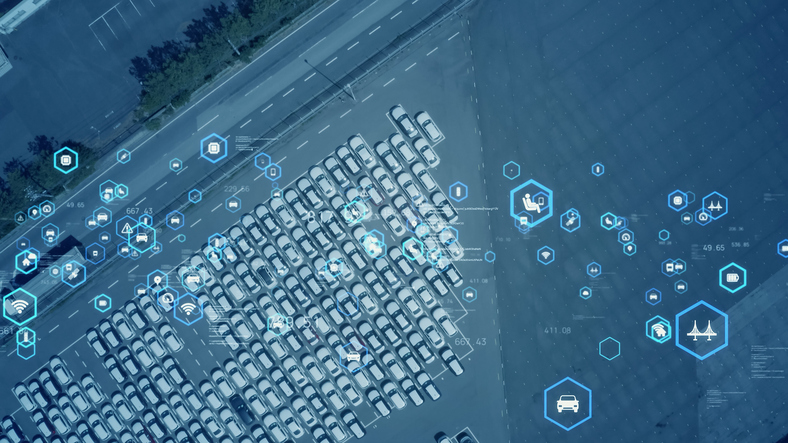
Fleet operators everywhere are riding a wave of rapid change. Rising fuel costs, driver shortages, and sustainability mandates are reshaping how every mile is managed.
According to the Telematics 2024 Report, 47% of fleet leaders name fuel costs as their top challenge, while 63% see driver wellbeing as critical to performance.
But here’s the kicker: 98% of fleets already have telematics installed, yet most stop short of turning that data into action.
That’s where smart fleet training steps in.
Why Fleet Training Completes the Picture
Every fleet manager says safety and efficiency are top priorities. The next logical step is empowering drivers to act on that commitment.
Imagine a micro-training program integrated directly into your telematics platform:
-
Drivers receive real-time feedback on risky behaviors
-
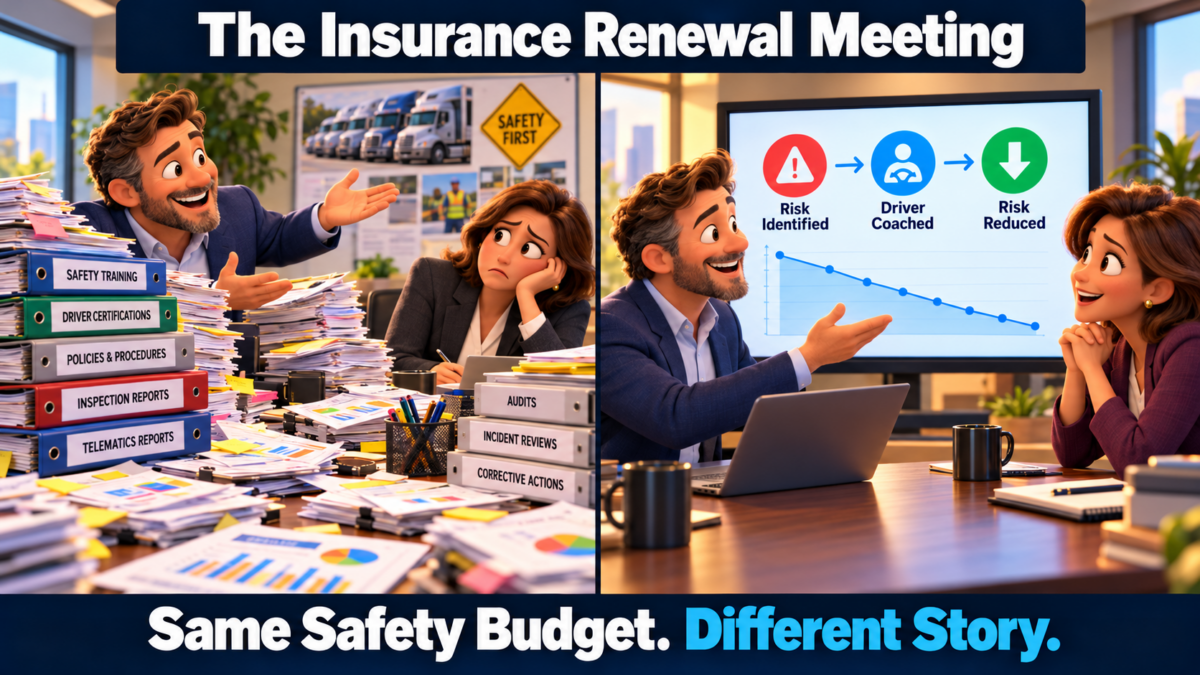
Managers see measurable drops in harsh braking, speeding, and idling
-
Fuel consumption falls, often by up to 10% in early pilot programs
-
Collision risk drops by 30 to 50% within a quarter
This isn’t training for its own sake. It’s a performance multiplier.
From Data to Daily Habits
Recent surveys highlight that 37% of fleets now list fuel savings as a top telematics benefit, an 88% increase year over year.
Still, data alone doesn’t change habits. Behavioral fleet training uses science-based techniques and positive reinforcement to convert insight into improvement.
By linking telematics events to short coaching touchpoints — think 5 to 10 minute videos or mobile nudges — fleets close the “action gap” and finally capture the ROI they expected when telematics was installed.
The ROI Math: Small Investment, Big Payback
For roughly $4 to $5 per driver per month, fleets can access integrated, data-driven training that delivers:
-
Fuel-use reduction: 6% to 14%
-
Crash reduction: 30% to 60%
-
ROI timeline: 60 to 90 days
These numbers align with both independent safety-telematics studies and performance trends reported across more than 500 fleets.
Proof, Not Promise
Across North America, operators who connected behavioral fleet training to telematics saw measurable improvements in driver morale, retention, and fuel economy. It’s the trifecta every fleet owner is chasing.
Ready to Future-Proof Your Fleet?
Telematics gives fleets visibility.
Fleet training gives them velocity.
By combining behavioral science, micro-learning, and data analytics, fleets can reduce risk, lower costs, and boost driver satisfaction in one unified strategy.
 Learner Login