In July, the Federal Motor Carrier Safety Administration (FMCSA) deployed 175 investigators across 40 states to review nearly 400 Entry-Level Driver Training (ELDT) providers.
Investigators found issues including inadequate training ranges, unlicensed instructors, missing assessment records, and one provider using a school bus in a trailer as a classroom. While not all providers were fraudulent, the violations were serious enough that more than 160 received proposed removal notices, while 110 providers faced emergency removal from the FMCSA Training Provider Registry.
Drivers certified by these providers were linked to 239 commercial motor vehicle-related fatalities, according to the release. Although this does not prove inadequate training caused these fatalities, it raises a critical question for the industry: What does it truly mean for a driver to be trained?
A certificate isn’t the same as learning
The federal response focuses on strengthening training infrastructure. Over 110 providers are being removed from the registry, and FMCSAis launching a nationwide audit of third-party skills testers. The agency reports that more than 28,000 drivers have been placed out of service for English language proficiency violations since June 2025, highlighting that passing a test does not always reflect real-world competence.
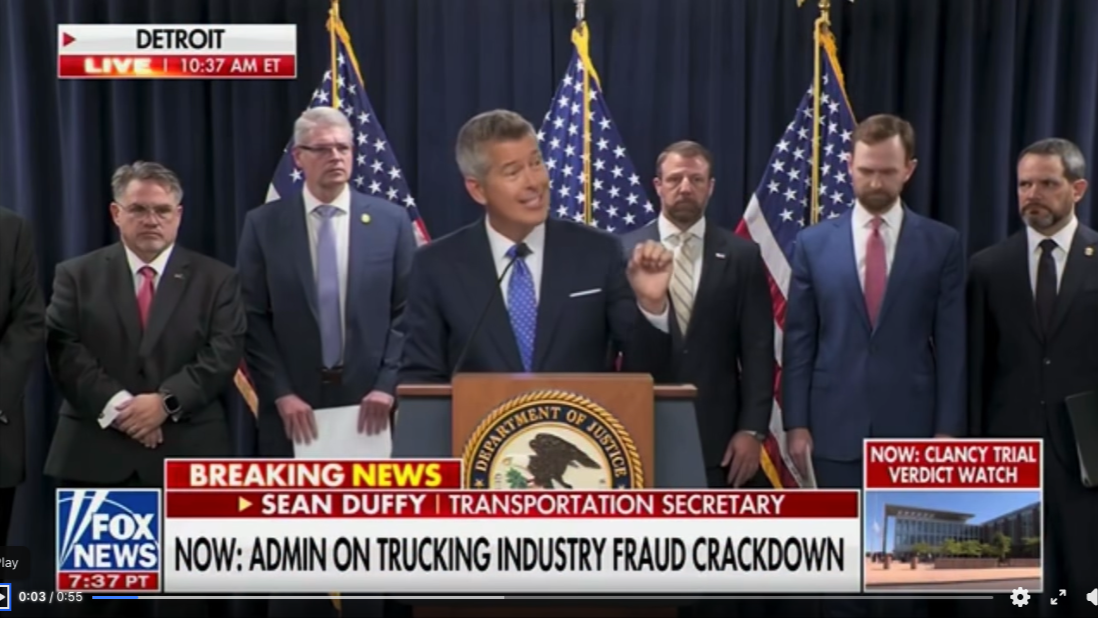
As Transportation Secretary Sean P. Duffy stated, the initiative aims to address “every link in the chain.” Training is a critical link, and when it fails, subsequent processes are compromised. Qualified instructors are essential for establishing a strong foundation, but training must extend beyond licensing.
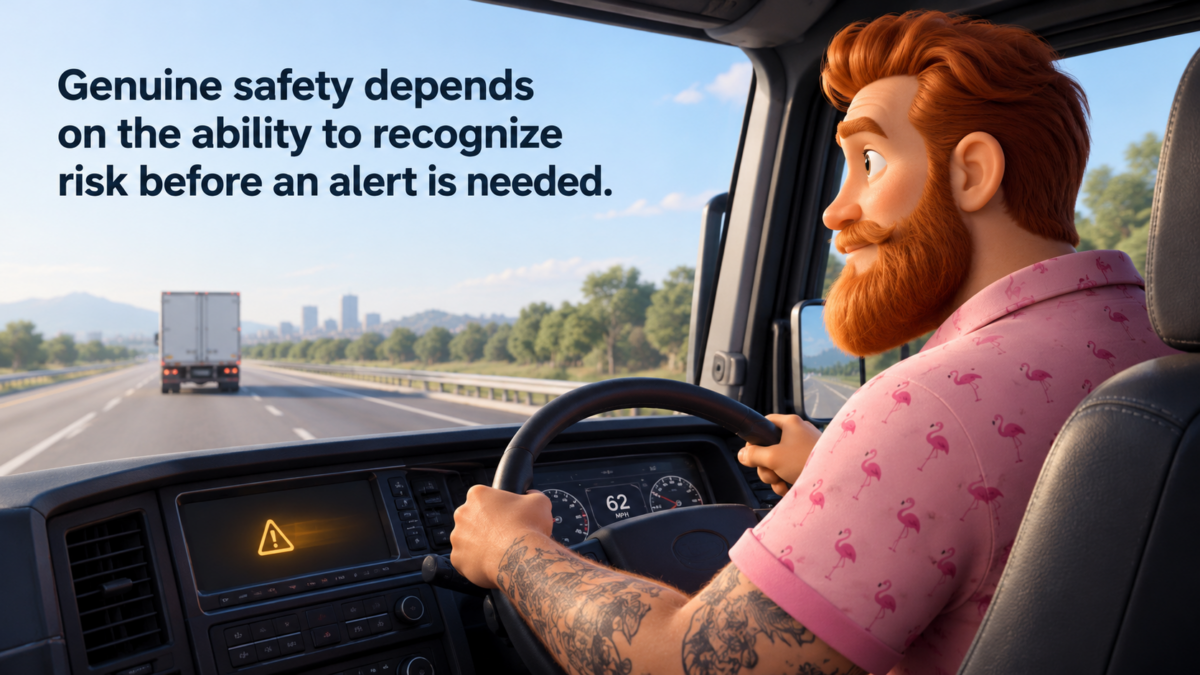
Drivers need to develop hazard recognition, decision-making, communication, and adaptability when situations deviate from expectations. While a curriculum can teach maneuvers, it cannot ensure appropriate responses to unexpected events. This capability must be developed and continually reinforced.
From completing training to changing behavior
Fleet safety programs must evolve to leverage the increasing volume of driver data, such as telematics, cameras, safety scores, and behavioral indicators. The value lies in using this data to drive meaningful change.
IMPROVLearning facilitates this by turning data into actionable insights. Its NEURO IQ™ Behavioral Platform analyzes telematics and camera data to build individual driver profiles, identifying patterns and risk signals for targeted training. Through his vantage point, the S.P.I.D.E.R. Method™provides commercial drivers with the skills and mindset required to stay safe.
Drivers receive weekly microlearning assignments tailored to their behaviors, rather than generic courses, and importantly, the process is documented. Supervisors access AI-generated insights, training histories, and coaching recommendations to support focused, effective conversations. The microlearning format, delivered in short, accessible modules, helps drivers integrate safety reinforcement into their routines. The objective is not more training, but more effective training delivered at the most impactful moments.
The result is a continuous loop: Observe → identify → train → coach → reinforce.
The question fleets should be asking
Undoubtedly, the federal enforcement strategy is righteous in its effort to remove unqualified providers, uncover fraud, and hold offenders accountable. The new DOJ task force unites federal, state, and local agencies in Illinois, Indiana, Michigan, and Ohio to improve roadway safety and reduce fatalities. Its investigations cover training, commercial driver’s license (CDL) fraud, identity fraud, unauthorized employment, financial crime, labor exploitation, and criminal networks.
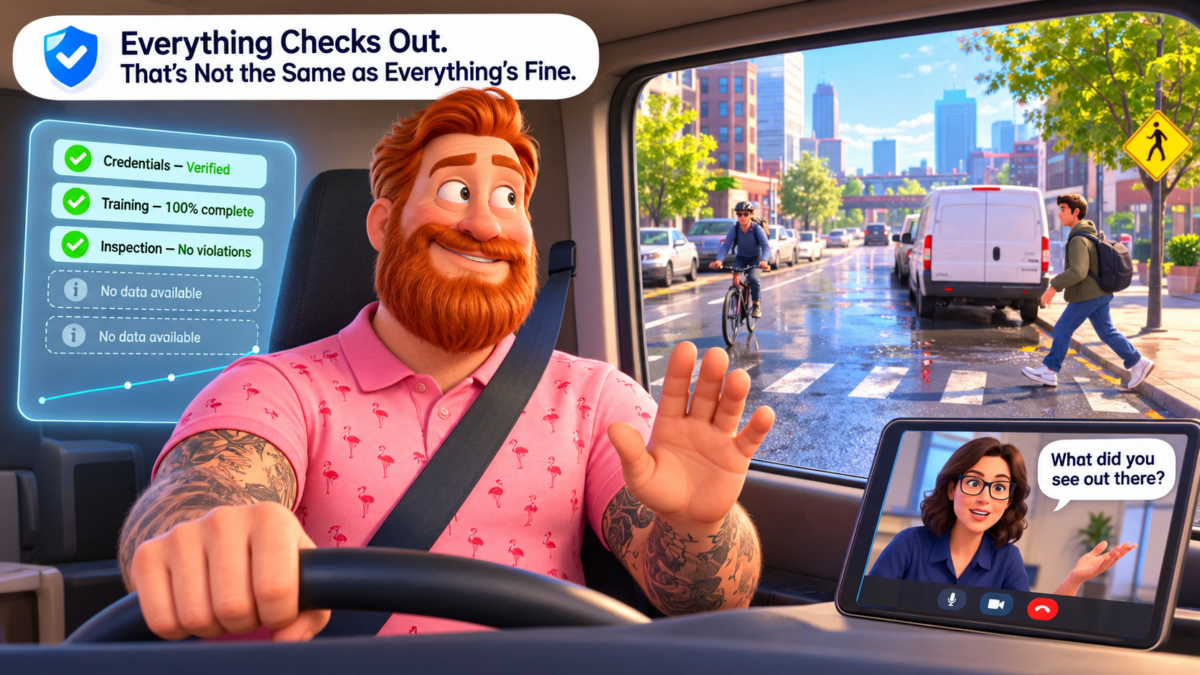
However, enforcement alone is insufficient. Training, qualification, documentation, and oversight are essential to a comprehensive safety system. The key issue is not just whether drivers completed training but whether they are prepared for real-world challenges. A certificate confirms completion but does not guarantee comprehension, judgment, or adaptability. Ultimately, the goal is to develop drivers who think critically, adapt, and make safe decisions in unexpected situations.
References
IMPROVLearning. (2023, May 3).IMPROVLearning | We use comedy and AI to prevent vehicle crashes. IMPROV® Learning. https://www.improvlearning.com/
IMPROVLearning. (2026, July 27). IMPROV®Learning, SPIDER MethodTM Defensive Driving and CDL training. IMPROV® Learning. https://www.improvlearning.com/how-it-works/
U.S. Department of Transportation. (2026). U.S. Transportation Secretary Duffy, U.S. Homeland Security Secretary Mullin, White House Fraud Task Force, & top U.S. attorneys launch historic interagency effort to crack down on fraud in trucking industry. Usdot. https://www.transportation.gov/briefing-room/us-transportation-secretary-duffy-us-homeland-security-secretary-mullin-white-house
 Learner Login