With fuel costs rising and environmental concerns becoming a top priority, fleet operators and everyday drivers alike are looking for ways to reduce fuel consumption, lower emissions, and extend vehicle life. One of the most effective ways to achieve all three is through eco-driving.
Eco-driving isn’t just a trend—it’s a set of smart driving techniques that improve fuel efficiency, reduce vehicle wear and tear, and contribute to a cleaner environment. Whether you manage a fleet of trucks or want to get more miles out of a tank, understanding eco-driving can help you save money and reduce your carbon footprint.
What Is Eco-Driving?
Eco-driving is a fuel-efficient driving style that optimizes speed, acceleration, and braking to reduce fuel consumption and emissions. Instead of aggressive driving habits that waste energy, eco-driving encourages smooth, calculated movements that keep vehicles running at peak efficiency.
The concept of eco-driving applies to all types of vehicles—from passenger cars to heavy-duty trucks—and is especially valuable for fleet operators looking to lower operating costs and improve sustainability.
Why Does Eco-Driving Matter?
1. Lower Fuel Costs
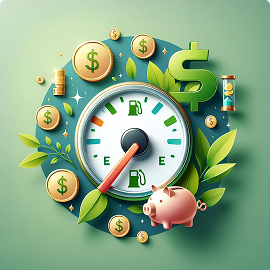
Fuel is one of the most significant expenses in fleet operations. By adopting eco-driving techniques, drivers can cut fuel use by up to 15%—a significant cost-saving measure for companies and individual drivers.
2. Reduced Vehicle Wear and Tear
Harsh acceleration and braking strains engines, brakes, and tires. This increase in wear and tear only leads to higher maintenance costs and more frequent repairs. Eco-driving promotes a smoother driving style that extends the lifespan of vehicle components.
3. Lower Carbon Emissions
Transportation is a significant source of CO₂ emissions. Driving more efficiently burns less fuel and produces fewer emissions, making eco-driving a key strategy for companies committed to sustainability.
4. Increased Safety
Eco-driving reduces aggressive driving behaviors, leading to fewer accidents and safer roads. Drivers who follow eco-driving techniques are more aware of their surroundings and react more smoothly to road conditions.
Top Eco-Driving Techniques
1. Drive Smoothly
Avoid sudden acceleration and hard braking—waste fuel and wear out vehicle parts. Instead, accelerate gradually and maintain a steady speed.
Example: A driver who speeds up quickly at green lights and brakes hard at red lights will use more fuel than one who maintains a smooth, consistent pace.
2. Maintain Efficient Speed
High speeds dramatically increase fuel consumption due to wind resistance and engine strain. For most vehicles, the ideal speed for fuel efficiency is between 45 and 60 mph (70 and 100 km/h).
Tip: Use cruise control on highways to maintain a steady speed and improve fuel efficiency.
3. Reduce Idling
An idling engine still burns fuel without moving the vehicle. If a vehicle idles for over a minute, it’s better to turn off the engine than let it idle.
Fleet Tip: Some modern trucks and cars have start-stop technology, which automatically turns the engine off when the vehicle is stationary.
4. Use Higher Gears
Driving in a lower gear at high speeds wastes fuel. Shift to a higher gear as soon as possible without straining the engine.
Tip for Manual Vehicles: Shift up early and avoid over-revving the engine.
5. Check Tire Pressure Regularly
Underinflated tires create more rolling resistance, making the engine work harder and burn more fuel. Properly inflated tires can improve fuel efficiency by up to 3%.
Action Step: Check tire pressure at least once a month and before long trips.
6. Plan Routes Efficiently
Taking the shortest, most efficient route reduces fuel consumption and travel time. Avoid high-traffic areas and unnecessary detours whenever possible.
Fleet Strategy: Use route optimization software to plan the most fuel-efficient delivery paths.
7. Reduce Unnecessary Weight
Extra weight forces the engine to work harder, increasing fuel consumption. Remove unneeded cargo, tools, or equipment when they are not required.
Example: A truck carrying excess weight burns more fuel than a lightly loaded vehicle on the same route.
8. Use Air Conditioning Wisely
Air conditioning increases fuel consumption, especially at low speeds. Instead, use ventilation when possible and only turn on the AC when absolutely necessary.
Tip: At higher speeds, air conditioning is more efficient than driving with windows down, which increases aerodynamic drag.
Eco-Driving for Fleet Operators
For fleet managers, eco-driving training can lead to significant cost savings and sustainability improvements. Implementing eco-driving practices across a fleet can:
- Cut fuel expenses by thousands of dollars per year.
- Lower maintenance costs by reducing wear on engines and brakes.
- Improve driver safety by encouraging smoother, more controlled driving habits.
- Meet sustainability goals by reducing overall fleet emissions.
Many companies now integrate eco-driving training into their driver programs and use telematics systems to monitor fuel efficiency and driving behavior in real-time.
Final Thoughts: Small Changes, Big Impact
Eco-driving isn’t just about saving fuel—it’s about operating smarter, driving safer, and reducing costs. Individual drivers and fleet operators can improve efficiency, lower emissions, and extend vehicle lifespan by making simple adjustments to driving habits.
In an industry where every gallon of fuel and every mile driven matters, adopting eco-driving techniques is a simple yet powerful way to gain an advantage.
Want to improve your fleet’s efficiency? Start implementing eco-driving today and see the savings add up!
 Learner Login