In the complex mosaic of fleet management, the “tiles” represent the various technologies capturing driver data—dashcams, telematics devices, GPS systems, and mobile sensors.
But what transforms this collection of disconnected data points into a cohesive and effective system? The answer lies in proper driver training—the grout that binds these technological elements into meaningful outcomes.
Modern fleets deploy an impressive array of monitoring technologies. Forward-facing cameras capture road conditions and events, while cabin-facing cameras observe driver attention and behavior. Telematics units track vehicle dynamics, including speed patterns, acceleration metrics, and maintenance indicators. Mobile applications add contextual data about routes and schedules. Each technology functions as its own “tile,” gathering specific information.
However, these technological tiles alone cannot improve fleet performance. The critical binding element—the grout—is how this stream of data transforms into actionable training that changes driver behavior. Without this connection, the technological mosaic falls apart, leaving expensive equipment generating unused reports.
The microlearning approach has emerged as the ideal delivery system for translating data insights into performance improvements. Brief, targeted lessons delivered via mobile devices allow drivers to absorb critical information without disrupting their schedules.
These concise modules, typically 3-5 minutes in length, directly address specific behaviors identified through the technological array as needing improvement.
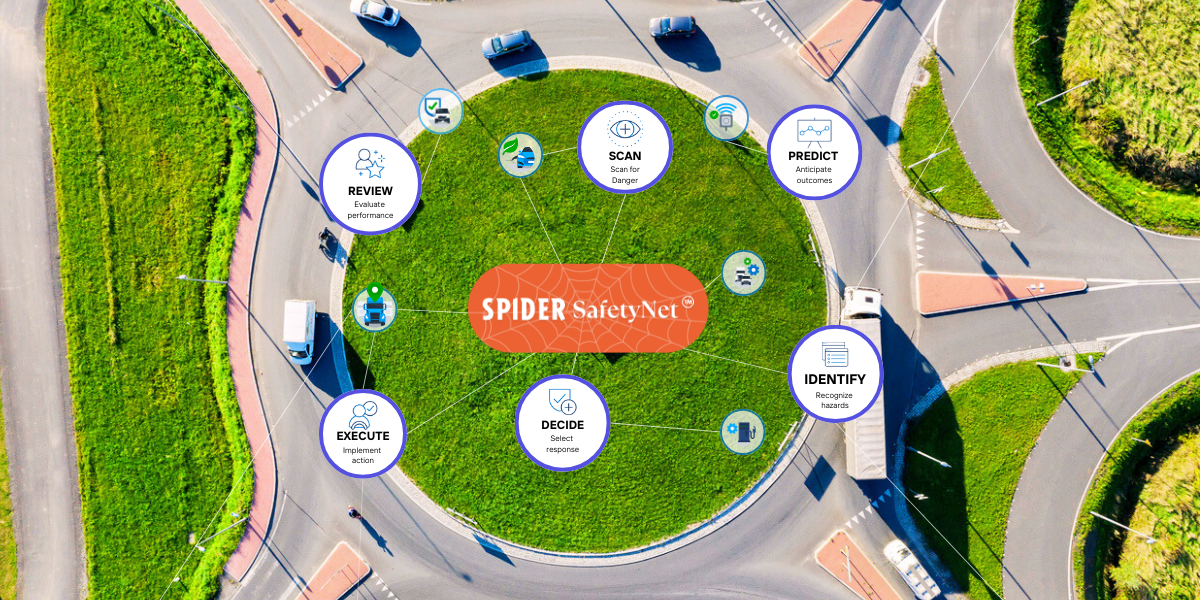
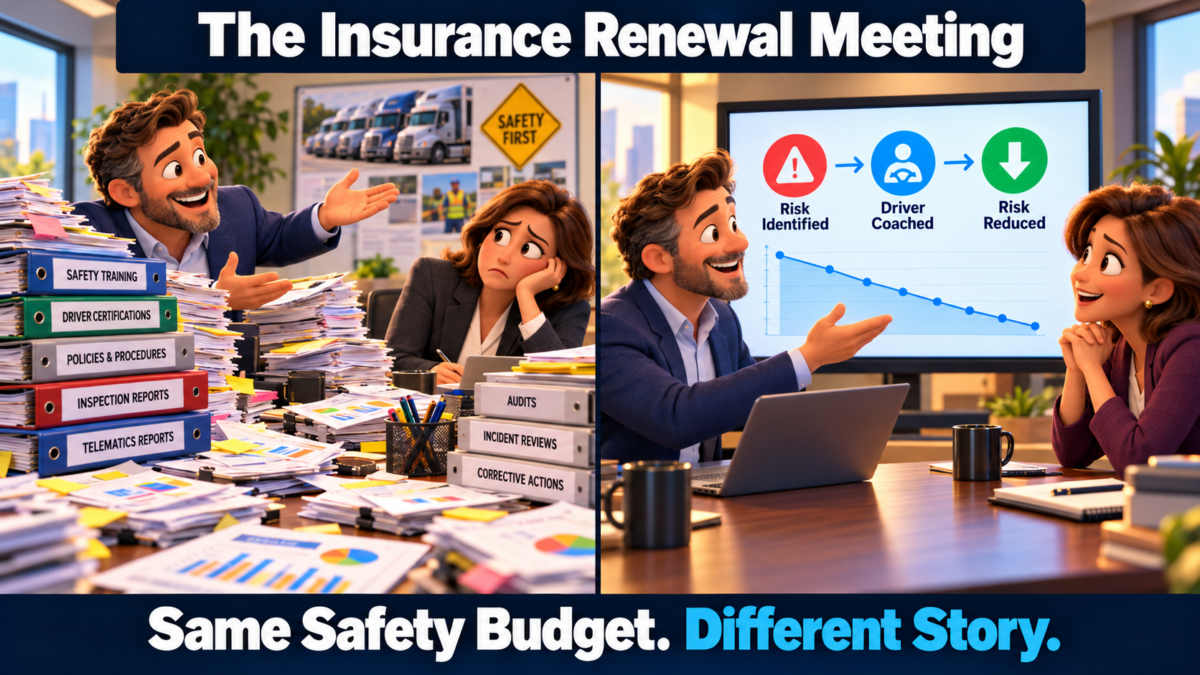
When implemented effectively, this creates a powerful feedback loop. The technology tiles identify issues, targeted training addresses them, performance improves, and new data confirms progress while highlighting new focus areas. This continuous improvement cycle delivers measurable benefits across multiple areas:
First, fuel efficiency improves dramatically. Telematics data pinpointing inefficient driving behaviors guides training modules on acceleration patterns, idle time, and optimal speed maintenance. This typically yields 5-30% reductions in fuel consumption—substantial savings given fuel costs may represent up to 35% of fleet operating expenses.
Second, incident rates decline significantly. Data from various monitoring devices identifies risky behaviors before they cause accidents. Personalized training modules then reinforce skills and behavior that builds driver’s “muscle memory” leading to 20-40% reductions in preventable incidents within the first year.
Third, vehicle maintenance expenses decrease. The combined insights from multiple monitoring systems identify driving behaviors that accelerate component wear. Training that successfully moderates these behaviors extends vehicle life and reduces repair frequency, with fleets commonly reporting 10-25% decreases in unscheduled maintenance costs.
Beyond these tangible benefits, this integrated approach creates a culture of data-informed improvement. The diverse monitoring technologies provide objective evidence of progress, building driver engagement with safety initiatives.
Fleet managers gain precise insights into which technological elements provide the most actionable data, allowing them to invest resources efficiently and justify capital investment with real ROI.
For fleet managers seeking to strengthen their operations, investing in this “tile and grout”—comprehensive driver training informed by multiple data streams—creates the foundation for operational excellence that makes the technological investment worthwhile. It binds the individual technology tiles together into a cohesive, effective system that delivers measurable improvements in safety, efficiency, and cost control.
 Learner Login